Formula 1: What the Heck Happened? From National Pride to Global Gigantic Fun-Machine
You think F1 is just hot cars and famous drivers? Nope. Underneath all that noise, the shiny stuff, and the obsession with speed? Tons of money. Innovation. And drama. The Evolution of Formula 1 from national bragging rights after the wars to a multi-billion dollar entertainment monster? A wild ride, actually. Used to be a chill club for rich folks. Now? A super intense, high-stakes war zone for smarty-pants engineers, marketing wizards, and, like, practically everyone on Earth.
From National Pride to Global Empire
F1’s story? It kicks off right after the World Wars. All about showing off national mojo back then. Countries basically had their best car companies and drivers battle it out in Grand Prix races all over Europe. The International Automobile Federation (FIA) made Formula 1 official in 1946. Setting the stage.
First off, teams were small potatoes. Often run by rich race fans or car makers like Ferrari. Cars? Maybe $10,000. Way cheaper. What did you win? Personal glory, that’s it. No big paychecks. And another thing: Sponsorship? Pretty much unheard of. Even kinda lame, actually.
Sponsorship: The Fastest Advertising Platform
Then ’68 hit. Everything changed. The UK banned cigarette ads, so tobacco companies needed a workaround. Their big idea? Just stick logos right on the F1 cars. Poof. National pride, gone, just like that. Replaced by pure business smarts. And just like that, F1 turned into the quickest ad space on the planet.
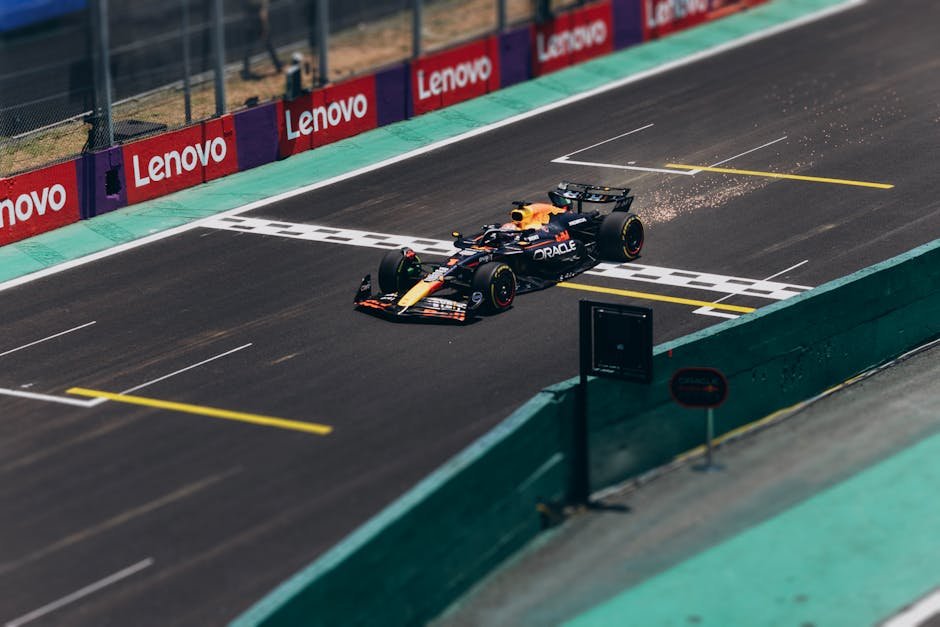
Every tiny bit of a race car? Best ad space ever. TV deals made it huge. Global spectacle. Bernie Ecclestone, this super smart cookie and ex-racer, saw the mega money potential. So, he grabbed all the TV rights, made the shows look better, and shot F1 worldwide by the late ’70s. Teams started forking out serious cash. Budgets in the ’70s were like $500,000-$1 million. By the ’80s? Boom, $15 million. To win, you needed a quick car, a hotshot driver, and a fat-walleted sponsor. Because of all this money stuff, sponsors often called all the shots. Even who got to drive! By the 90s, over 60% of F1’s sponsors were tobacco companies. But when those sponsorships vanished in the 2000s thanks to bans, F1 hit a financial wall. So, F1 shifted tactics. Looked East. Governments in places like Bahrain, China, and Singapore were happy to pay hundreds of millions. They wanted to host these fancy races. Good for tourism, good for their image.
Liberty Media’s Game-Changing Revival
Okay, so by the mid-2200s, F1 felt… kinda boring. Mercedes and Red Bull were just crushing everyone. Pretty boring races. Viewership took a dive. One in three fans just stopped watching between 2008 and 2015. Most teams were barely making rent. But then, in 2017, Liberty Media swooped in. Paid a whopping $8 billion. They were ready to juice up this old machine.
Liberty’s plan? Simple. Figure out what fans wanted, and where the cash was. They figured out two big issues: kids weren’t getting into it, and the races felt too predictable. So, two massive moves.
First move: cost caps. Started at $140 million in 2021, dropped to $135 million. These caps made teams tighten their belts. A real headache for the big-spending teams. But it helped smaller teams make some cash and even get a decent shot at winning. Quick note: driver salaries, the top three paid bosses, marketing, and engine costs? Not included in the cap. So, not perfect, but progress.
Second? Tell stories. Liberty saw F1 differently, not just race results, but the whole journey. They told teams to share behind-the-scenes stuff on social media. No more secrecy! Then Netflix’s “Drive to Survive” just blew the lid off. F1 became this massive global reality show. Because of that, drivers turned into huge social media stars. Connecting directly with us fans. And it got tons of people hooked, especially in the US. The result? Average team value is now $2.31 billion. Money keeps rolling in. Liberty really stretched out the race calendar, from 20 Grands Prix in ’17 to 24 in ’24. Pumped up those fancy paddock club experiences, got sponsorships from all over. F1’s social media? Up 36% in 2024. Almost half of its 750 million TV viewers are under 35. And the hottest demographic growing right now? Women, 16-24. A serious comeback.
The Billionaire’s Club: F1’s Elite Gateway
Okay, so top drivers make crazy salaries. We’re talking $500,000 to $60 million a year for some. But F1 is still one of the hardest sports to break into. You usually need rich, rich parents. Because getting from karting all the way to F1? €10 million, easy. Super expensive.
Lewis Hamilton, the seven-time champ, even said it. F1’s a “club for billionaire kids.” These guys drive $15 million cars doing 380 km/h. Yanking six times gravity in corners. Make you pass out. It’s super tough on the body, too. Drivers lose 2-3 kilos of water every single race. Wild.
F1 as an Automotive Innovation Incubator
“Pilots” isn’t just a fancy word, by the way. F1 cars? Inverse jet planes, basically. Their wings create massive downforce. Sticks the car to the track. Insane grip. Every millisecond matters. And this constant chase for speed and making things better? It sparks amazing new stuff.
Think about it: hybrid engines, like early versions for your electric car. And better gearboxes, brakes, cooling tech, fuel, super fancy sensors, crash cages, carbon fiber stuff. F1 is a major testing ground for R&D. Lots of tech in our daily cars? It first showed up under the insane tests of Formula 1. So, all those millions spent on the track often mean safer, more fuel-efficient, and just better cars for us out on the roads.
Electric Future or Iconic Roar? The Great Debate
So, with everyone going electric with their cars, some wonder if F1 will become less important for innovation. But that screaming internal combustion engine? The sight and sound? That’s what F1 fans live for. People really love that sound. Instead of making F1 fully electric, they made a totally separate, all-electric Formula E racing series.
The debate about F1 going full electric? Still happening. Most folks think the fans will make the final call. You? What’s your take? Should Formula 1 ditch the gas or keep that classic roar?
Tragedies and Triumphs: F1’s Relentless Pursuit of Safety
Look, F1 is super risky, always has been. Sadly, bad accidents have forced big safety upgrades. Ayrton Senna, the legend, died in 1994 after crashing at 220 km/h. That led to a total redo of safety rules. Later, Jules Bianchi’s crash at the 2014 Japanese Grand Prix, which sadly killed him nine months later, pushed them to bring in the Halo safety cage. It’s standard now. This cockpit protector? One of the few things teams can’t touch.
Car design rules? Always changing, usually every 4-5 years. That’s to keep things competitive and stop one team from always winning through some tech trick. This always fiddling with things means F1 is constantly pushing limits. For speed. And for keeping drivers alive.
Frequently Asked Questions
What was the big moment that brought all the sponsors to F1?
The key change? After the 1968 cigarette ad ban in the UK. Tobacco companies found a smart way around it. Stuck their logos right on the F1 cars. Basically opened the gates for commercial sponsorship.
How’d Liberty Media get more young people and a bigger global crowd hooked on F1?
Well, Liberty Media put in cost caps so more teams could actually win. Launched that crazy popular “Drive to Survive” show on Netflix. And they really used social media a lot to share behind-the-scenes stuff. Made the sport feel real and exciting for new folks.
Why do they call F1 a “billionaire’s club” for young drivers trying to get in?
Getting from karting to F1? Insanely expensive. Like €10 million, they say. This huge money hurdle means most drivers who actually make it to Formula 1 come from super rich families who can pay for their whole run.