The Marvel Multiverse: Could ‘What If…?’ Be Real Science?
So, you’ve been binging Marvel’s ‘What If…?’ series, huh? Like, totally hooked? And yeah, a ton of folks, even out here in the Golden State, are probably left asking: could the Marvel Multiverse actually be for real? Just some Hollywood magic, maybe? Or is there real science behind all this talk of alternate realities? Hold on tight, because we’re gonna see if this whole multiversal thing lines up with quantum physics. Or if it’s just a damn good story.
‘What If…?’ Series: Peek Into Other Realities
Marvel cooked up a huge universe, no doubt. Got us all hooked on heroes like Iron Man and Spider-Man. After the big stories wrapped, they kept things going with spin-offs. ‘What If…?’ really nailed the multiverse bit, stretched it to its wildest point. The show rolls out The Watcher. He’s this heavy hitter who just sees countless other timelines. Watching them all.
What’s that mean for you and me? Those Avengers movies we totally devoured? Just one single possibility. Out of, like, an infinite chain. The Watcher’s whole deal tells us our timeline is just one shot. In all these other universes, different choices mean wild, absolutely insane outcomes. Think about it. Loki wasn’t raised by Odin. Or Ultron won and, oops, enslaved the entire universe. Those are the crazy, wild realities ‘What If…?’ lets us snoop around in.
Multiverse Concept: Just Like String Theory?
This idea of a bunch of universes isn’t something Hollywood just invented. Nah. Scientists have been kicking around theories of parallel universes for a while now. And when we talk about the ‘What If…?’ multiverse, String Theory usually pops up.
Quick rundown: we know atoms are the smallest things, right? But they’re even tinier bits. Protons, neutrons, electrons. Protons and neutrons? Made of quarks. And another thing: String theory suggests even these tiny particles aren’t solid little balls. Nope. They’re actually these super tiny, vibrating “strings” or “filaments.” It’s how they’re shaped, their size, and how they jiggle that makes them different—could be a quark, a boson, or whatever.
Our eyes? They only see a sliver of all the light out there. Same deal for our senses; we only feel a fraction of these subatomic string vibrations. Many smart people think there are a bunch of dimensions we just can’t feel. Some say 11. Others say 16. Even up to 24. And so, our universe isn’t just some lonely bubble. Nah. It’s just one reality among endless others. Each one set up by different dimensions and frequencies. The ‘What If…?’ idea—endless possibilities, choices making wildly different results—kinda lines up with this whole “different jiggles make different realities” thing.
‘What If…?’ vs. Quantum Physics: Journey Between Worlds?
Here’s where ‘What If…?’ gets to make stuff up. In the show, these alternate universes feel like actual separate places. People can literally jump from one timeline to another. Like hopping from one planet to another on some kind of cosmic train. The Watcher literally sees these individual worlds. Laid out side-by-side. Each its own spot.
But this isn’t quite how parallel universes usually work in quantum physics or String Theory. Many science models say that infinite realities or possibilities already coexist in the same space and time. It’s not about physically going to a different “place.” More like different states or outcomes all existing right here, right now, in the same spot. So, while ‘What If…?’ blows up your brain with amazing ideas, its whole “universe-hopping” thing doesn’t quite match up with the real science.
The ‘What If…?’ Multiverse: Like Foam Universe Theory?
If ‘What If…?’ isn’t quite right for String Theory’s coexistence idea, what does it feel like? The way the show depicts distinct, separate universes you can “visit” fits more with the Foam Universe Theory (sometimes called the bubble universe theory).
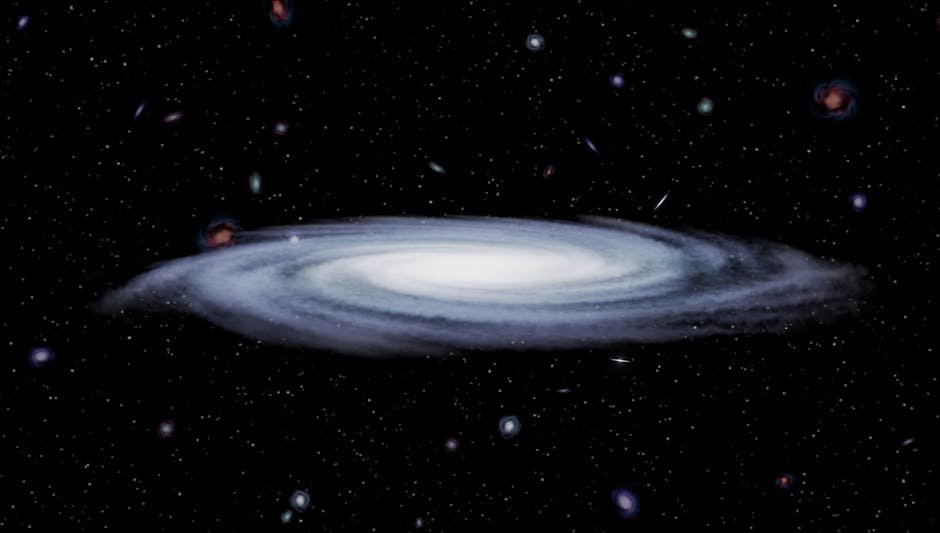
Imagine our universe. Just one little bubble in a massive, frothy mega-universe. Each bubble? It’s its own world, with totally different rules. In one bubble, life might be carbon-based. Needs water. In another, life could be silicon-based. Thriving on liquid metal. The main thing here is these aren’t just slightly tweaked versions of our reality. So many other fundamentally different realms. Where the very laws of physics might just operate completely differently.
And while this model lets you travel between different universes, it messes up ‘What If…?’s idea of “alternate choices” creating a different you. Because if you zipped to a foam universe with silicon life, you, the carbon-based person, might not even exist there. So ‘What If…?’ mixes bits from both String Theory (different outcomes from choices) and Foam Theory (distinct realms). But these concepts don’t quite fit together perfectly in the story. It’s still a heck of a ride, though. Gotta love storytellers taking some creative freedom.
Quick Question Time
Is the Marvel Multiverse really possible?
‘What If…?’ definitely pulls ideas from science, like String Theory and Foam Universe Theory. But how it shows world-hopping and alternate realities isn’t a direct science translation. They take liberties. For fun.
How does ‘What If…?’ link to String Theory?
The show kinda lines up with String Theory’s idea of endless possibilities coming from tiny differences. Imagine how different string vibrations make different particles or realities.
Any big science mistakes in ‘What If…?’?
Quantum physics and String Theory generally say different realities or possibilities coexist in the same spot, same time. Not as separate places you can just visit or traverse, like in ‘What If…?’. The show’s “universe-hopping”? That’s more Foam Universe stuff. But then it talks about choices making different outcomes, which doesn’t make much sense with foam universes. Totally different physics there.