Neuromarketing: Your Brain, Their Playground. How Companies Get You to Buy Stuff
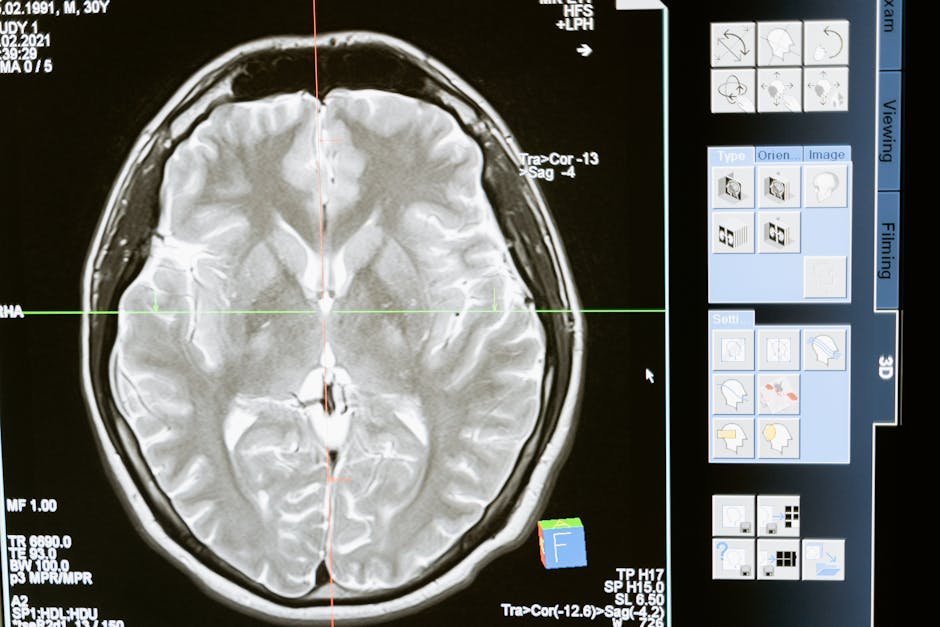
Ever feel like you’re really calling the shots when your grocery cart rolls to checkout? Or maybe that “deal” you just had to snag felt good because someone totally planned it that way? Companies, especially here in the Golden State and, like, all over the world, are getting super clever. They’re poking around inside your brain. No, not to steal thoughts, but to figure out what you really want deep down. This crazy smart brain game? It’s called Neuromarketing. Think of it as marketing pumped full of steroids. They basically wanna know what makes us tick, how we make decisions, and how to gently guide us towards a purchase. Forget what you say you want; your actual brain might be spinning a whole different tale.
Back in the day, like a hundred years ago, businesses had a real problem: everyone already had what they needed. So, what’s a company supposed to do? Build new desires, obviously. Needs you didn’t even know you had. Turns out, your brain isn’t as tough as you think.
Your Brain Loves Pleasure. So Brands Keep You Chasing More
It’s just how it is: humans want pleasure. Our brains are built that way. And brands? Oh, they’re completely wise to this universal need.
They know that chasing pleasure can often be way stronger than actually getting it. Think about that new phone or gadget. The excitement leading up to it is real.
Brands Know Pleasure Doesn’t Last, Keeping You on the ‘Hedonic Treadmill’ (aka Constant Updates)
Here’s the catch: once you get that shiny new thing, that pure joy vanishes. Poof. It’s fleeting. And that’s awesome news if you’re a company. Because the moment that first rush fades? You’re already looking for your next fix.
This, my friends, is the “hedonic treadmill” in full swing. You grab the latest model, for instance, an iPhone 8; you’re stoked about its new design. But then, right on schedule, the 8S drops. Your happiness? Gone. Now you’re back on the hunt again, chasing that next purchasing high, just in time for the iPhone 9, 10, 11… you get the picture. An endless loop. All carefully cooked up to keep your wallet wide open.
Retailers Take Advantage of Your Tired Brain Near the Checkout
Picture this: you’ve slogged through the grocery aisles, made a gazillion tiny decisions, dodged carts, and probably woven around a screaming toddler or two. You’re wiped out. Totally exhausted. Your brain is running on fumes.
That’s called cognitive fatigue, and it leaves you wide open. Our brains have two main modes: System 1, which works super fast, automatically. Mostly unconscious. And System 2, our careful, smart, but incredibly hard-working thinker. When your brain is beat from all those choices, System 2 just clocks out.
You become a perfect target for System 1’s quick, impulsive buys.
And that’s precisely why candy bars, magazines, and other sweet temptations are right there, strategically placed at the checkout counter. Tired, maybe a little hungry, and mentally drained, you’re way more likely to grab that impulse snack you do not actually need. And another thing: shopping malls use a similar trick, hitting you with too many options, making you weary, So you’re more prone to spending big.
How Stores Mess with Prices to Make You Think You’re Getting a Steal
Ever walked into a store, seen a bottle of wine for, say, $15, and wondered if that’s a good price? Your brain has no built-in “value” meter. It needs clues.
Enter the sneaky art of anchoring. Retailers are totally happy to give you those clues.
Place that $15 bottle right next to a $50 one. Suddenly, the $15 bottle looks like a total steal. Your brain “anchors” itself to the higher price, which makes you think you’re getting a hella good deal. People just aren’t wired to know the “right” price for most things, and they rely on these mental shortcuts. It’s all about how you see it, not what it truly costs.
Subtle Clues, Like Pictures or Music, Can Push Your Buying Buttons
Remember that old story about hidden messages in movies? Like flashing “DRINK COCA-COLA” too fast for you to consciously see? Mostly fake, turns out. And thankfully, direct subliminal messaging? Illegal in most places. But companies still adore a good subtle nudge.
They just hide them out in the open.
Like a KFC ad with a dollar bill photoshopped into a burger. Or Coca-Cola cans designed to look like a happy face. Even watches in ads are almost always set to 10:10. Because the hands create a subtle, friendly “smile.” These are called ‘primers.’
While the science on just how much direct kick these primers have is still a bit debated, it’s super easy and cheap to do. So why wouldn’t a company take a shot? If you’re already kinda wanting a watch, that smiling face might be the little push you truly need. It’s not just pictures, either: play French music in a wine store, and guess what? French wine sales climb. German music? More German wine. It’s a subtle, almost unconscious way to influence how we act.
Knowing These Neuromarketing Tricks Gives You the Power
So, are we just brainless puppets, mindlessly buying whatever huge companies throw at us? Nah, not entirely. But we’re not completely in control either. It’s totally a fuzzy area.
Knowing these tricks. Understanding how your brain works and how it reacts to these small things around you? That’s your superpower. It shifts you from just reacting to actually making conscious decisions.
If you genuinely like something, that’s still the biggest thing that makes you spend your cash and time on it. That’s your power. But being clued into the brain game means you can make choices that are smarter, less impulsive, and, deep down, truly yours.
FAQs
What even is neuromarketing?
It’s basically studying how your brain reacts to marketing stuff to get a better handle on what you buy and, well, push you to buy more. People often call it “marketing on steroids” because it dives deep into your subconscious, finding things traditional surveys just can’t.
Do hidden subliminal ads really work?
Long ago, in the 1950s, some weird old tests said they worked, but everyone figured out they were mostly faked. Turns out most explicit subliminal messages are against the law, and brain experts pretty much agree there’s no magic “buy button” in your brain you can just push directly. But subtle “primers” hidden in plain sight? They can still influence your choices.
How do companies know what I want if I don’t even know myself?
Companies use all sorts of cool brain tech—like fMRI, EEG, eye-tracking, heart rate, and even skin sensors—to get around your conscious thoughts. These tools instantly show what your brain is really doing, what catches your eye, and how you feel emotionally. This gives marketers insights into those gut feelings that sometimes totally go against what people say they want.