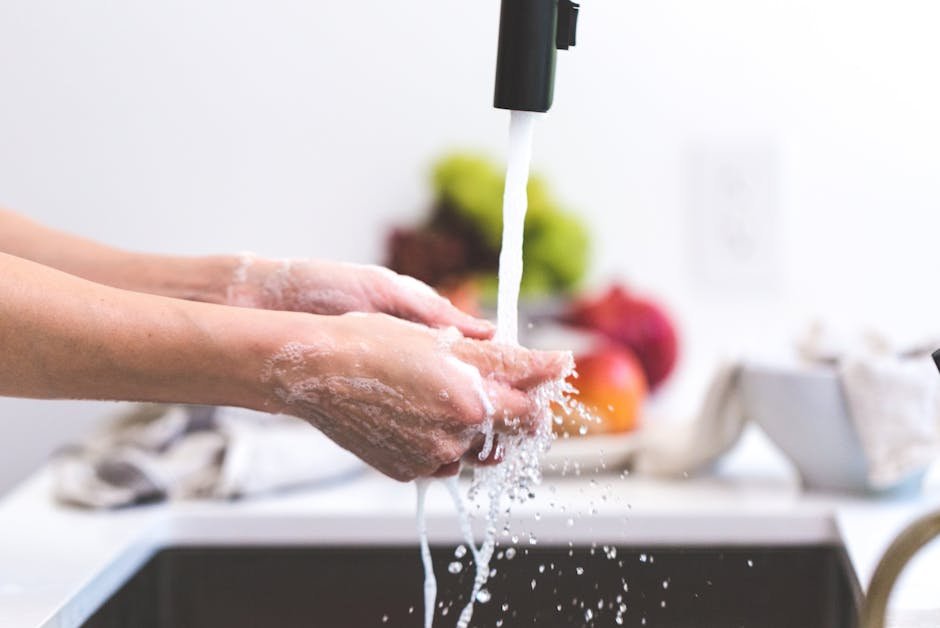
Washing Rice: To Rinse or Not To Rinse – The Real Scoop
You know when you’re scrolling through food videos? And the comments just explode about something dumb like washing rice? Man, it’s a charged debate, right? Especially when you’re looking at food traditions worldwide. East Asia. Italy. Someone’s always got a take: Is rinsing grains a sacred thing or just a huge waste of time? So, yeah, what’s really up with that?
Basically, it just comes down to your rice type. And the dish you’re making. Totally. Solid reasons to rinse. Definitely reasons to skip it.
Fluffy Grains or Creamy Dreams? It All Depends on the Starch
Want super-fluffy, separate grains? Washing. That’s the trick. See, when they mill rice, this powdery “free starch” gunk clings to the outside. Not the starch inside the grain, nope. Just a fine dust. Gets all gluey. A total mess if you cook it without a rinse.
So. Rinse it. Drain it. Keep rinsing till the water’s mostly clear. That nasty free starch? Gone. What you get? Fluffy rice. Non-clumping stuff. Perfect for Asian-style meals. Big difference in how it feels in your mouth.
But what about those awesome European dishes? Creamy risotto from Italy, or maybe Spanish paella? Well, that free starch? Not a problem there. Cause actually, it’s vital! In risotto, that stuff spreads around, making that rich, velvety sauce. For paella, it binds the dish. And another thing: skipping the rinse here isn’t just okay, it’s totally essential for the dish’s signature vibe.
Is Your Rice Actually Dirty? A Look at Modern Milling and Storage
Back in the day, sifting flour or seriously picking through rice? Not just a habit. Total necessity. Folks always found bug bits, straw, even live weevils. Wild, right? Food processing wasn’t so great then. Storage? Not temperature controlled. So yeah, your grains? Probably dirty. Literally.
Today though, especially in modern countries, the regular rice sold in those airtight plastic containers? It’s really clean stuff. Machines actually blast away crud with air jets. Grains just sparkle. So, you’re buying decent rice from a legit store? Probably no weird bits in there.
But where I live, or if you get your rice in those big, breathable fabric sacks? Washing is still key. It lets you check for tiny rocks or other crud that could wreck a tooth. Many still do it. Just a deeply ingrained hygiene thing. Even if you don’t have to as much anymore.
Fortified Rice: Are You Rinsing Away Essential Nutrients?
Okay, here’s a big one. People miss this, especially in places like the U.S. A lot of white rice? It’s fortified. Meaning, it’s got extra vitamins and minerals – stuff like B and D. They add them back cause milling takes ’em out. These nutrients? Just a dusting or spray on the grain.
So, yeah, washing fortified rice means bye-bye vitamins and minerals. If those extra boosts are a thing for your diet, then skipping the rinse? Probably a smart move. Check the package for “Do not wash” labels. Some places? They’re trying out fancy new ways to fortify it, like making “fake” rice kernels all full of solid good stuff that won’t wash out. But mostly, you won’t find those yet.
The Rancid Realness: Why Off-Flavors Happen
Ever sniff unwashed rice and think, “Ew, that smells off.” Not fresh? That’s probably rancid fats. Yeah, lipids. Most fats get zapped during white rice milling, but little bits of polyunsaturated fats can hang out on the surface. When air hits ’em? They turn. Go rancid. Over time, that is.
And those funky rancid smells? Strong stuff. You notice it right away. So, older rice or rice that sits in those flimsy fabric bags? Or the cheaper kinds that haven’t been processed much? They often have more surface fats. A quick rinse? Seriously cuts down those bad smells. Now, if you’re buying rice in small, sealed containers and using it fast, maybe no big deal. But for bulk purchases? Or if you live somewhere sticky and humid? Big deal. Really.
Arsenic & Rice: A Boiling Solution (No Rinsing Needed!)
Okay, arsenic. That chemical stuff. Basic washing? Pretty useless, turns out. Arsenic’s a worry worldwide, especially where they grow rice. Can come from the ground or old pesticides. And docs say way too much arsenic-y rice? Not good for you long-term.
Best way to get rid of arsenic? Not rinsing, nope. Cook your rice like pasta. Seriously. Just boil the rice in a bunch of water, then really drain it good. Some old-school East Asian cooks might think it’s nuts. But it’s totally normal in Central and South Asia. Bonus? You get super fluffy, separate grains of long-grain rice. If rice is on your plate every day, extra important with little kids around, check your rice source. And maybe try this boiling trick. Smart move.
The Cultural Divide: Why We Argue About Rice
Why do people get so heated about rice? Maybe it’s cause it’s a super basic food, all over the world. Mediterranean! Mississippi Delta! And everyone’s got their way. Generations of perfecting it.
Honestly? No single “right” way to cook rice. Whether you wash it or don’t, the big thing is knowing what you’re aiming for. With your dish. So next time you’re about to cause some food fight? Just remember: my rice, your rice. No big deal. Cook what you love.
Frequently Asked Questions
Q: Brown rice. Wash it?
A: Brown rice still has its bran and germ. That stuff has fats. Polyunsaturated fats. And they get rancid easier than white rice fats. Not usually “starchy” on the outside, but a wash might get rid of dust. Or any surface funkiness, especially if it’s been sitting a while. But cause it’s not super starchy? The main reason for washing rice for fluffiness doesn’t really matter here.
Q: Washing rice stops it from being sticky? True?
A: Yep. For a bunch of white rice types, washing gets rid of that “free starch” hanging out on the grains. That free starch? It’s exactly what makes cooked rice all clumped up and sticky. And once you wash it gone? You get nice, separate, fluffy grains. Easy peasy.
Q: Soaking rice fixes the arsenic thing?
A: Yeah, science types say soaking rice for a bit before you cook it? And then boiling it in a bunch of water, then draining it? That combo is a really good way to slash arsenic levels in rice. One of the best.


