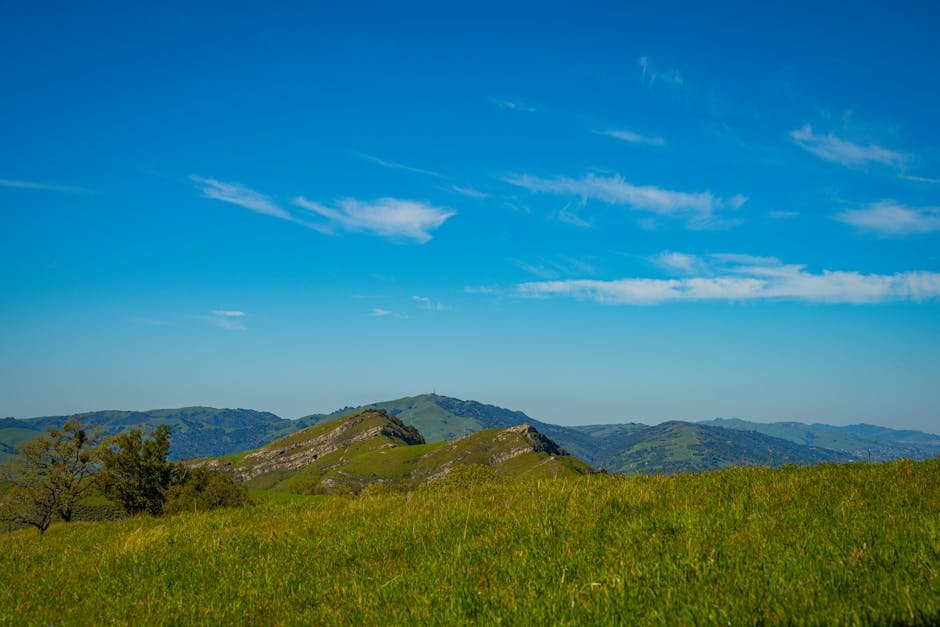
Mount Wallace California: Hike a Peak and Think Deep. Seriously
Ever looked at California’s crazy diverse landscapes, or just your own backyard, and just kinda wondered how it all works? How about a hike up Mount Wallace California? Not just another pretty Sierra Nevada peak. Nope. It’s a giant, quiet shout-out to Alfred Russell Wallace, a science legend. His brain went as deep into the natural world as our deepest ocean trenches.
It’s where real outdoor fun crashes into a wild story about super smart ideas and just not giving up. Thought Darwin was the only dude? Ha!
So, This Mount Wallace in California? It’s for Alfred Russell Wallace, a Super Smart Naturalist Who Figured Out Evolution, Just Like Darwin
Imagine busting your butt your whole life on this huge idea. Then someone else publishes it first. That’s Alfred Russell Wallace’s deal. In 1859, precisely when Charles Darwin dropped his “On the Origin of Species” book, Wallace finished his own theory about how life evolves through natural selection.
In fact, they were writing each other. Sharing thoughts. Both right there on the edge of the exact same huge discovery. But Wallace? He wasn’t chasing the fame. His motivation was pure. Just a wild thirst to learn and understand. He simply had to figure out how the world worked. And because this guy just kept at it, a mountain right here in California got his name. Pretty cool, huh?
Wallace Saw How Stuff in Nature Gets Separated by Geography. Thinking About His “Wallace Line” Helps Us Get California’s Diverse Places Better Now
Wallace’s biggest hit, the totally invisible “Wallace Line,” drew this mind-blowing dividing limit in the Malay Archipelago. One side? Asian animals like tigers and rhinos. Cross like, a measly 35 kilometers to the other, and BAM, suddenly you’re scoping kangaroos, koalas, and komodo dragons. Two completely different worlds. Just a bit of water between them.
He figured this split happened because of old sea levels and ancient land bridges. Brilliant stuff, really; it totally hinted at plate tectonics before anyone else really got it. This idea of geography making different groups of plants and animals? Super important. And here in California? From the tall redwoods to the hot deserts, the Sierra Nevada, all of it. We see our own incredibly varied environments, shaped by geology and how high things are. Getting Wallace’s ideas helps us dig that unique California vibe even more.
Learning About Wallace’s Trips and Big Scientific Moments Really Adds to What You See When You Visit Natural Spots Named for Him
Wallace’s travels were NOT a walk in the park. His first major trip, to the Amazon in 1848, where he collected important animal samples for four years, ended in total disaster. A ship on fire destroyed almost all his rare finds. And another thing: He was basically stuck at sea for ten terrifying days, clinging only to his notebook and drawings. Gnarly.
Most folks would just quit after that. Not Wallace, though. He used his insurance money. He published six science articles from his notes! Then he decided to head to the Malay Archipelago. Because he was really pumped by Ida Laura Pfeiffer’s work. His mission wasn’t just to gather samples; it was to find a hidden evolutionary dividing limit and finish his big idea on evolution. He bounced back from that huge loss. And his laser focus on learning? Seriously inspiring.
Modern Science Tools, Like iNaturalist (You See It in the Video), Let Hikers on Mount Wallace Help Science. Just Snap Pics of Wildflowers and Critters!
Guess what? You don’t need to sail for years to help science today. Modern hikers on Mount Wallace can totally get in on that same observation vibe. Ever see a weird wildflower on a trail? Or hear a bird call you just can’t place? Easy. Grab your phone, snap a picture, and upload it to iNaturalist.
This non-profit app is basically social media but for nature nerds. An AI helps you figure out the species. Then, a bunch of passionate naturalists and experts weigh in, confirming your findings. It’s an awesome resource, not just for personal discovery, but for adding to actual scientific data. That helps researchers understand where things live and how healthy our ecosystems are. Just like Wallace super carefully drew his invisible line, you can help map every living thing right from your favorite California trail.
Going Up Mount Wallace Is a Cool Way to Mix a Sierra Physical Challenge With Big Science History and the Ongoing Search to Understand Nature
When you get your stuff ready for Mount Wallace, you’re not just prepping for a tough hike. You’re stepping into a place that totally echoes a major science story. A chance to feel that urge to explore, just like Wallace. Picture him. Traveling the entire planet. Making observations. Things that totally changed how we get life on Earth.
His tough spots, his perseverance, his total devotion to science. That’s the foundation for every observation you might make on your hike. This peak? Not just a spot to hit. It’s a landmark for our human drive to understand the world. What’s in a name, right? For Mount Wallace, it’s vastly more than just bagging a peak. It’s a quiet cheers to a guy just driven by pure curiosity. A dude who totally didn’t chase fame. But he completely reshaped how we see nature.
Frequently Asked Questions
Q: So, who was Alfred Russell Wallace?
A: He was a British naturalist, explorer, geographer, and biologist. This guy figured out the theory of evolution by natural selection – completely on his own, separate from Charles Darwin. Also, he’s famous for cool finds like the “Wallace Line,” which is kind of an imaginary dividing line in the Malay Archipelago showing where different animals live.
Q: Why isn’t Alfred Russell Wallace as famous as Charles Darwin, even if they both discovered the same thing?
A: Good question! While both published their ideas around the same time, Darwin’s stuff just got more attention. Some say Wallace’s lesser fame connects to his later interest in things like spiritualism. Which might’ve hurt his standing with other scientists back then. But hey, places like Indonesia? They teach kids about Wallace even before Darwin. So, he’s a huge deal in some parts of the world.
Q: What exactly is the “Wallace Line” and how does it relate to Mount Wallace in California?
A: The Wallace Line is this imaginary boundary. It splits different kinds of species in the Malay Archipelago, showing how physical blockages create super distinct sets of animals and plants. Mount Wallace itself isn’t on this line. But its name honors Wallace’s amazing discoveries about geography and living things. And this encourages us to look at California’s many natural environments, like its redwoods and deserts, through a similar lens of unique ecological setups and ways animals adapted.


