The Shining: Why That Creepy Hotel Breaks You
How does someone just lose it? Is it one big, awful thing? Or something much, much worse? Nope. The Shining makes it clear: usually, it’s a slow burn. A creeping erosion. Especially when you’re all alone and the place just… feels off. And this story, whether you read Stephen King’s book or watch Stanley Kubrick’s iconic movie, doesn’t just show you crazy. It GETS you there. Right inside your head.
The Overlook: More Than Just a Building
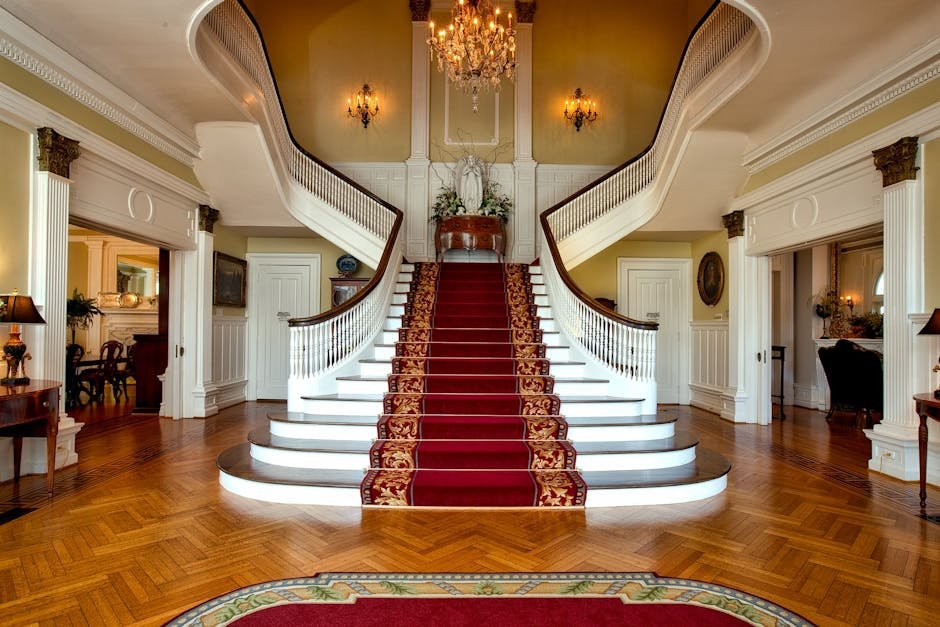
Haunted houses? Please. The Overlook Hotel? Not some flimsy backdrop. It’s truly alive. Like, a character. Just picture it. Being the only caretaker, family in tow, in this huge, empty mountain resort all winter. That alone would be a psychological trip. But this isn’t just a quiet chill spot. It’s got history. Dark history, too. And it wants a repeat performance.
Sure, it looks grand. Great views. But deep down? Just emptiness. No guests. Just a big, scary void. King’s Jack Torrance called it “inhuman.” Said it could make you a monster. Spot on. Its whole vibe just messes with your head, feeding anxieties, throwing old traumas back at you. Minds just unravel. The place itself pushes them over the edge.
Isolation and Repetition: The Descent into Madness
Lots of folks think madness hits fast. The Shining says nope. It’s often slow. A silent takeover. Jack Torrance? He’s not just stuck in a creepy hotel. He battles his own stuff, too. Alcoholism. Bad temper. New job stress, those personal demons, spooky Overlook vibes… it just chips away. Slowly.
And another thing: the hotel? It just keeps repeating its horrific past. Seriously, past repeats. Danny, with his “shining” abilities, sees old horrors. Feels them. Not just what happens, either. It’s in the building itself. Those endless, identical hallways. Even Jack’s crazy, obsessive writing. All repeats. But the scariest part? Jack’s gonna be just like the last guy. The one who butchered his whole fam.
Freud’s Uncanny Valley: The Horrifying Familiar
Stanley Kubrick, king of the mind-messes, dug into Freud’s “uncanny” stuff. Before The Shining. Freud? Said we get scared not by new things. But old ones made weird. That wiggle room between real and fake. That’s it.
The Overlook? Textbook uncanny. And we know Jack and his family are alone. But then the Grady twins show up, looking totally human. Reality versus hallucination? Gone. Danny stumbles out of Room 237 (or 217 if you’re a book person) with bruises. So, what was in there? Someone? Something? And that “could it be real?” question. That’s what totally messes you up. Makes the horror hella intense.
When fuzzy lines between fantasy and truth? That’s when uncanny hits hard. Things you thought weren’t real become terrifyingly, suddenly real.
The Power of the “Shine”
The “shining?” It’s not just mind-reading. It’s this deep connection. People to people, yeah, but also people to places. Danny and Dick Hallorann. They both got it. Felt that dark energy. Because it implies: the Overlook isn’t just doing things. It’s communicating.
This psychic connection? It screams one thing: “The past WILL repeat.” It’s alive, this place. Works hard to make folks crazy. Just like the last guy before Jack. And it gives you chances. The bar scene, for example, tempting Jack with booze. Or mysteriously unlocking random storage rooms. Just nudging him toward his horrible fate.
Jack’s Vulnerability: A Cycle of Violence
Jack Torrance? Was probably screwed from the start. Abusive, alcoholic dad. Bad childhood. Not just boring backstory, though. It’s a huge piece. The puzzle. See Jack as a kid, lashing out after getting hit. Or hurting his own son later when he’s drunk. It’s a pattern. A bad one that keeps on going.
King, the guy who made all this up (and what a crazy Stanley Kubrick film followed!), said Jack was a “confession.” Personal stuff. He knew that anger. That hostility young parents sometimes feel with kiddos. He got it. And that makes Jack super real. Not some big mystery that he fell for the hotel’s awful stuff. Just tragic. Almost inevitable. The Overlook? Just let his inner demons run wild. Perfect, lonely spot for it.
The True Horror: Human Psychology
Sure, ghosts and stuff. But really, the horror in The Shining? It’s all about how our brains work. Don’t need big monsters. Or fancy ghosts. To get scared. Just being alone in that huge, empty hotel? That’ll do it. And it digs deep into that awful cycle of violence. Dad to son. Plus, what an angry, drunk guy can do, stuck with his own messed-up head.
Monsters? Real. Ghosts? You bet. They live in here. And sometimes, they just win. Way scarier than any fake monster, honestly.
Frequently Asked Questions
Q: What got Stephen King to write The Shining?
A: He stayed at The Stanley Hotel in Colorado with his wife. Literally, the only people there. Crazy experience. Being in that huge, empty hotel way off-season. Plus, his own struggles with alcohol. And, yeah, he admitted getting mad at his kids sometimes. That’s what really set the stage for the story and Jack Torrance.
Q: Freud’s “uncanny” in the movie. How’s that work?
A: Freud figured we get scared when familiar stuff turns weird. Blurring reality and fantasy. You know? And in The Shining? Clear as day. Ghostly folks look like regular people. Makes you wonder if it’s real or if Jack’s just losing it. Was that a real ghost? Or totally in his head?
Q: Is the Overlook Hotel actually, like, alive?
A: Yeah. It really is. Not just a place, nope. It’s a character. A bad one. It talks to people via the “shining” power. Messes with their heads. Its whole thing? Push them to insanity and keep that violent history rolling.


