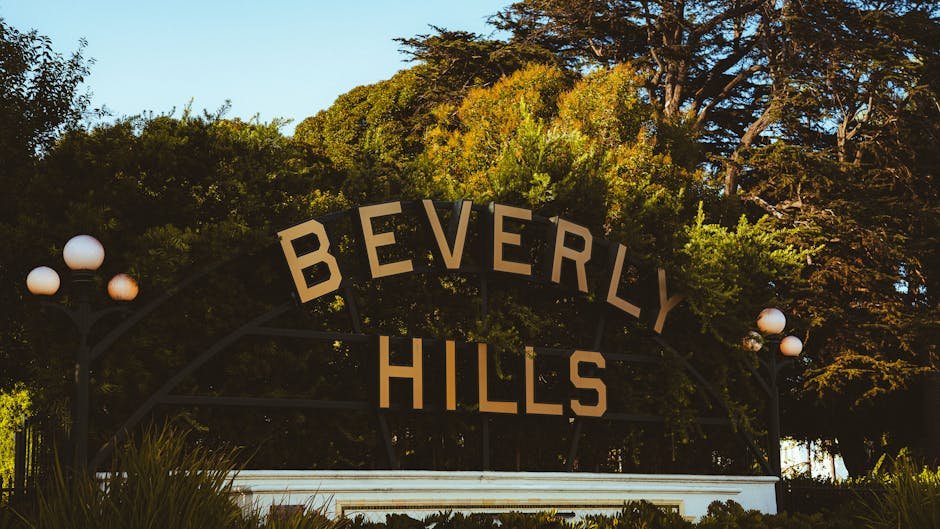
GeoCities in California: How Beverly Hills Kicked Off an Internet Revolution
Beverly Hills. 1994. Wild, right? You think glitz, glamour. But no. Right there, some sharp folks were cooking up the internet’s most wonderfully wild, amateur, and totally people-powered spot. Unexpected, really.
The World Wide Web? Barely walking. Browsers like Mosaic, Netscape, started showing us stuff. Text, mostly. It went from just some geek science thing to, well, almost a public space. But a huge bit was still missing: regular folks? No easy way to build their own online spot. And into that empty spot? GeoCities burst. Totally changed California Internet History with its wild, personal touch.
GeoCities: People-Powering Early Web Content from Beverly Hills
First, it was ‘Beverly Hills Internet.’ Then ‘GeoPage.’ Finally, ‘GeoCities’ by late ’95. Mission? Super simple. But, honestly? Hecka radical back then: give regular people a place online. Build their own homes.
Just being on the internet? A nightmare. Getting a ‘domain’? Hosting? HTML? Uploading files? Felt like rocket science. Seriously. And dial-up? Forget it. Sluggish. Costly. Dropped constantly. So, GeoCities shows up. Free, easy personal web space. Not just tech, either. A promise.
Big media? They just saw the early web as fancy brochures. But GeoCities? They saw personal stories. A future full of them, not just big companies. Publish résumés. Poetry! Family photos. Fan pages, sports takes, anime. Yep. Not just regular users. ‘Homesteaders.’ Making their mark. On the digital wild west.
The Digital City Metaphor: Reflecting California’s Vibe with Neighborhoods
GeoCities. That name? Totally on purpose. The big idea was to make webpages feel like a busy city map. Not sterile files. And users weren’t just storing stuff. They got a ‘home’. In a ‘neighborhood.’ The internet turned into a massive city. Users became its people.
Early neighborhoods? Basically a pop culture shout-out: Hollywood, Wall Street, Sunset Strip, Rodeo Drive, Best Hollywood, Coliseum. Later, places like Silicon Valley, Capital Hill, Paris, and Tokyo joined the party. And this whole themed setup? Super important. Because back then, no real search engines. So, discovery happened. People built sites. They also found a context. Gave addresses a personal vibe. Like a real spot. ‘Hollywood/set/1234’ was weird. But felt like a mailbox. Instead of just code.
A Wild, Personal Design Look: Early Internet Expression!
GeoCities design? What a glorious mess! Pure digital freedom, that’s what. Flashing GIFs. Everywhere. ‘Under construction’ signs. Spinning skulls! Letters on fire. Stars in the background. Neon colors. Warbly MIDI songs. Moving mailboxes. Dancing babies. Seriously. Not just choices. Screams into the internet. Big shouts of ‘Hey, I’m here!’
Today’s social media? So slick. So boring, sometimes. But GeoCities pages? Pure, raw personality. Load times? Dozens of seconds! On slow modems. But, usually worth it. Behind each loading bar, a whole universe: some kid’s poems. A Star Trek fan’s screenshots. Family pics. Or astronomy notes for fun. Big company sites gave you info. GeoCities sites? They gave you character.
The ‘homepage’? A thing. Total cultural phenomenon. ‘About Me’ section. Guestbook. Email link. Favorite movies. My band list! Those famous ‘under construction’ banners. Links to ‘friend’ pages. And the best part? That visitor counter. Made you so proud. That tiny number, slowly climbing, proved someone saw you. In a world you couldn’t see. Guestbooks, too. They built real community. A few nice words? And a ‘Homesteader’ felt part of something huge. More than just hosting. It was belonging.
The Dot-Com Boom and Yahoo Buyout: California’s Big Part
GeoCities went absolutely nuts by ’95. Not just new users, either. ‘Webrings!’ Like digital block parties. Linked sites. Real online neighbors. By ’96? One of the most visited sites. People showed up. To build, sure. But mostly to explore. Find cool stuff. Connect. Not like today’s centralized social media. More like a giant, scattered family.
The internet? Barreling towards the dot-com boom. Yahoo, Excite, MSN? Everyone wanted to be the portal. GeoCities had a secret weapon: creators. Users weren’t just looking. They were making. Way more valuable. But. Stress city! GeoCities was all about personal stuff, users first. Its future? It needed biz things. Standardization, ads, corporate vibes.
By ’98, all that growth meant money. GeoCities went public. Stock went through the roof! Value? Over a billion dollars. Millions of pages. Billions of views every month. Super clear: the internet wasn’t just for labs or big companies. It was personal. And then, January 28, 1999. Yahoo announces they’re buying GeoCities. Stock deal. $3.6 billion. Insane number! For something that started simple. Just folks making their own online spot. Yahoo? Wanted that community. Plug it right in. GeoCities? Looked like fixed scaling issues and a pass to the big time. But. Like many internet mergers? Money logic doesn’t mean everyone gets along.
Decline and Saving the Data: Keeping California’s Digital Bits
After the buyout, GeoCities lost its independence. Just another cog in Yahoo’s big portal machine. Changes started small. But they piled up. Privacy? Became a huge deal. FTC actually called GeoCities out for shady data practices before the Yahoo deal was even done. Big lesson there: ‘free’ often meant you were the product. Just for ads.
Yahoo pushed harder on ads. Forced their brand everywhere. Users, who basically owned their digital ‘homes,’ suddenly had corporate billboards popping up. Super annoying. Hackers even tried to rip off those forced frames. The dot-com bubble crashed in 2000. Big change. No more growth-for-growth’s-sake. Just efficiency and profit. Which sucked for GeoCities. It was built on feelings! By 2001, Yahoo starts pushing paid hosting. Limits on free stuff. Smart for money, yeah. But killed the whole GeoCities feel.
And the web? It was changing, too. Pro web design, CSS, Flash. All that made GeoCities’ wild, homemade style look super old. The single homepage kinda died out. Blogs took over (Blogger, WordPress ’04). Forums. Early social networks like Friendster (’02), MySpace (’03). All offered some customizing. But structured. Centralized. People wanted quick uploads. Easy publishing. GeoCities, still technically running, felt like a dinosaur. Culturally, anyway.
Then, April 23, 2009. The news dropped. Yahoo said bye-bye to GeoCities (everywhere but Japan). Done by October 26, 2009. Not just another product biting the dust. This was wiping out millions of personal pages. Amateur stuff. Fan fiction! Family photo albums. School projects. Poems. Game guides. A whole generation’s online childhood. Gone!
Panic mode! Suddenly, frantic volunteers jump in. Rescue mission time. Yahoo pushed users to back up. But so many forgot passwords. Or their old page links. In steps the Archive Team, led by Jason Scott. Total internet history hero. This crew. Massive job. Downloading and copying every GeoCities page they could. A digital evacuation. Messy. Hard. But they had to save it all.
Not every page got saved, no. But millions did. Imperfect files. Broken links everywhere. Lost context. Still! A million times better than nothing. It made us all realize: when a platform goes bust financially, its culture needs saving. Someone else has to fight for it. (Oh, and GeoCities Japan? Hung on. Under Yahoo Japan. Till 2019. The very last bit of it.)
So, GeoCities’ legacy. A massive reminder. Internet history isn’t just about Apple. Microsoft. Google. No. It’s also that high schooler uploading their first HTML page. The anime fan. Parents sharing photos. Some amateur sketching a UFO club logo. Big companies vanish. But those personal, quirky creations? That’s what makes the internet alive. More than just an old site. A beloved neighborhood. Where people really made the internet their own.
Quick Q&A About GeoCities
Q: So, where did GeoCities start?
A: Beverly Hills, California, back in 1994. It was called ‘Beverly Hills Internet’ first. Then, by late ’95, ‘GeoCities.’
Q: What was the big deal with the ‘neighborhood’ thing?
A: It sorted user sites by theme (like Hollywood, Silicon Valley). So smart! Gave sites context. And people could actually find stuff. Before Google was cool. Made the big old internet feel smaller. Like a real community.
Q: Why’d GeoCities die off?
A: Lots of reasons. Yahoo bought it. Then pushed a ton of ads. Forced their brand. Which totally killed the free, user-first vibe. Also, blogs took over. And faster, easier social sites like MySpace showed up. GeoCities just looked old. Everyone wanted quicker ways to share stuff.


