California Road Trip? Here’s the Real Deal: Routes, Tips & Must-Dos
Thinking about hitting the open road, windows down? A ton of people ask every year: what’s the trick to epic California Road Trip Planning? From the huge waves on the Pacific to the silent-but-awesome vibe of the deserts, this state is a beast. A big, wild beast, too. You wanna cruise those famous roads, snag some chill spots, maybe find some sweet hidden gems, right? We totally got your back. This ain’t just about driving; it’s about soaking up that golden state soul.
Seriously, Plan Your Route
California? Massive state. You can’t just wing it unless “seeing everything” actually means “seeing a boatload of traffic.” So, your first move. Pick a path. Are you chasing the sun down the Pacific Coast Highway (PCH), driving through really pretty beach towns and sick cliffs? Or is the wild calling louder, pulling you toward a National Parks loop hitting Yosemite’s giant granite walls and Death Valley’s weird, cool spots?
Think about your time. Got a week? Stay in one region. But if you have two weeks? You can stretch it, maybe connect the coast to a park or two. Don’t, I repeat, do NOT try to cram San Diego to Redwood National Park into three days, folks. That’s a recipe for exhaustion, not fun. And another thing: remember, some of California’s best stuff happens when you go slow and let things happen.
Essential Packing List. Like, Right Now
Forget something key on the road and suddenly your chill trip just turns into a frantic scramble. Trust me. First up: how you gonna find your way? Yeah, your phone works, usually. But a physical map or a dedicated GPS unit is a total lifesaver when cell service decides to peace out in the mountains. Next, safety gear. A basic first-aid kit? A complete must. Jumper cables, a flashlight, and a portable tire inflator? Seriously smart moves.
Think about staying comfy, too. Layers are your best friend here – coastal mornings might be foggy and damp, while inland afternoons can bake you alive. Snacks, a reusable water bottle, and a solid playlist are super important. And don’t forget that charger for your phone, obviously! Keep everything easy to get to.
Where Are You Crashing?
So, where are you gonna sleep? California has everything from simple roadside motels to fancy resorts. Budget-friendly places are everywhere, especially if you’re flexible with your stops. Try less famous towns. Hidden glamping spots, tucked away in forests or perched by a lake, these give a different experience – but book those way, way in advance.
Planning ahead, especially for popular routes or during busy times, is super important. Use apps and websites to find places. Sometimes, just stopping on a whim at a cozy inn surprises you. But other times, you’ll be hella grateful you reserved a room weeks ago.
Keeping Your Money in Check
Road trips can get expensive faster than you’d expect. Gas is a huge deal here in California; prices vary wildly from city to remote areas. Factor in a pretty generous daily gas budget. Food, though? Could be as cheap as grocery store picnics or as spendy as fine dining. Mixing it up helps. And another thing: activities? They’re everywhere. Some state parks have entrance fees. Tourist attractions? Pricey. Seek out free hikes, stunning viewpoints, and local farmers’ markets for a more real, budget-friendly experience. Always have a small emergency fund. Just in case.
Driving California’s Wild Places
Driving here needs you to be on your game with all kinds of skills. Urban sprawl in L.A. or San Francisco? Expect traffic, tight merges, and way too many lanes. Stay alert. When you’re in the mountains (think Sierras), switchbacks become the norm, and the weather changes on a dime. Be ready for snow chains in winter!
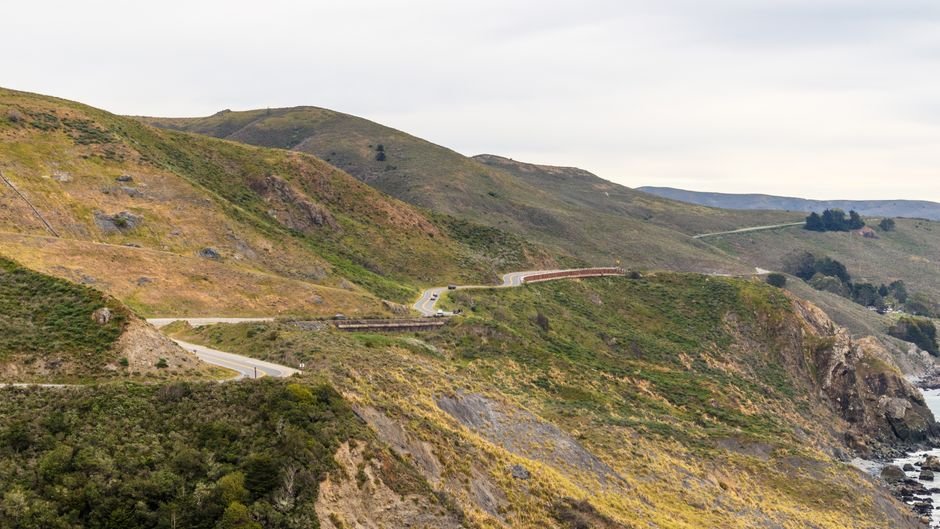
And then you hit the deserts (like Joshua Tree or Palm Springs). Long, straight roads but frying hot. Always carry more water than you think you need. Along the coast, the PCH is stunning but often winding, demanding your full attention. Drive defensively, always. Each landscape has its own cool look and its own driving headaches.
Finding Those Hidden Gems
Sure, hit the big spots. But the real good stuff often happens off the beaten path. Wander into some quirky small town you’ve literally never heard of. Ask a local where they eat — seriously. Find a trail that isn’t swarming with tourists.
Maybe it’s a hole-in-the-wall taco truck that blows your mind in some random valley town. Or a hidden beach that feels like your own private paradise. These are the moments that truly make the trip. Slow down, look around, and let California surprise you.
Got Questions?
Is it better to travel north or south on the Pacific Coast Highway?
Most people like going southbound. This keeps you right next to the ocean, giving you clear views and easier access to pull-offs for snapping photos and enjoying the scenery.
How much time should I plan for a California road trip?
For a good feel of just one region (like Southern California beaches or the Sierra Nevada), aim for at least 7-10 days. Bare minimum. If you want to see more, linking different major regions without losing your mind, 2-3 weeks is ideal. Rushing it just leads to burnout.
What are common road hazards in California?
Aside from that famous traffic, watch out for sudden weather changes in mountainous areas, especially snow and ice in winter. Desert regions can have extreme heat, while coastal roads can be super foggy. Also, keep an eye out for wildlife, especially on rural roads at dawn or dusk.


