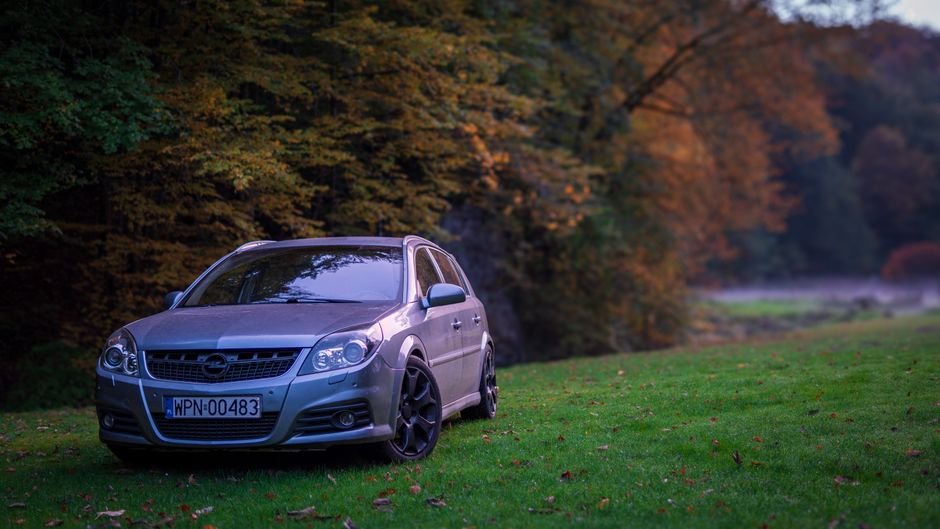
Opel Vectra C Look-See: The Deal with Its Problems, Motors, and What It’s Actually Worth
Remember those cars that were all angles and logic, not some fancy, emotional swoosh? That’s the Opel Vectra C. Back in 2002, Opel took a big risk. They threw out the beloved, curvy Vectra B feel for something straight out of an engineer’s brain. The mission? Sell tons. Pure math. Basically, a rolling computer. And boy, what a ride it’s been since. This ain’t your chill sedan. It’s a German brick on wheels, crammed with early digital stuff that’s kinda smart. Also, super maddening.
Opel’s Rough Ride into Digital
Opel tried to jump into the digital age with the Vectra C. Not a smooth landing, nope. Used to be, every car button had its own wire. The Vectra C changed it all. Its fancy CANbus system? Thousands of bits of info zooming through one cable. All parts talking to each other. Sounded amazing, right? Until the system’s “translator” craps out.
We’re talking the famous CM/CIM module. That black box right behind your steering wheel. A factory screw-up often causes contact issues, cold solder joints in its pins. Hit your horn, and the radio volume jumps. Signal left, but your brights flash instead. Worst case, serious stuff: your whole dashboard goes black. Blaring warning lights everywhere. The car just won’t start; it can’t even recognize the key. Local mechanics, they used to just punch the steering wheel hub. Hope it’d “fix” it for a bit. Used to be, getting this fixed meant pricey replacements. But now, some shops can re-solder connections. Just know: that horn will probably bite the dust eventually.
Engine Options, Each with Its Own Crap
Pop the lid on an Opel Vectra C, and you’ll spot a bunch of engine choices. All with their own distinct attitudes.
The 1.6L petrol engines? A real mixed bag. Earlier ones (before 2006, grey cover)? Famous for guzzling oil. Like, a liter between oil changes. That’s not a death rattle, just how it lives. Keep a spare jug in the trunk. Trust me on this. Post-2006 (black cover, TwinPort) drank less oil. But, that 1.5-ton chassis? Still felt way underpowered. So, a lot of people converted them to LPG. And another thing: that’s where the real trouble starts. LPG’s intense heat warps the engine’s delicate valve seats. Embeds valves deep into the cylinder head. The fix? Yank out the cylinder head entirely. Swap those seats for some tougher steel alloy. Don’t skip this.
The 2.2L engine can be a nightmare. Especially the high-pressure fuel pump. Early Siemens pumps just tore their diaphragms. Car goes into limp mode. Finding a good, re-done Continental pump is huge here. And they aren’t cheap.
Then there’s the 1.9L CDTI. A real beast, actually from Fiat. Made the Vectra C a true “autobahn cruiser.” Loads of torque. Great on gas. But watch out for those swirl flaps in the intake manifold. Their plastic connector just loves to wear out. Then it snaps. Sends broken bits right into your cylinders. Kiss your engine goodbye if that happens.
Our little secret? The super rare 2.0L turbo. This engine, from Saab, is chain-driven. Built tough. Kicks out 175 horsepower. No high-pressure pump scares. No fragile head rubbish. It’s a real good pick if you can find one in decent condition. Snag it.
Gearbox Choices: Good, Bad, and the “Forever Oil” Lie
The Opel Vectra C has a couple of automatic gearboxes. You need to know the deal.
First, the Easytronic. Usually with the 1.6L engines. Not a proper automatic. It’s an automated manual. A robot plays with the clutch. Expect it to roll backwards on hills. You’ll get that head-nodding lurch between gears, too. An “F” error on the dash? Usually means the brain box is fried. Pricey fix. This is not the one you want.
Second, the actual automatic. Often paired with diesels and bigger engines. This thing is a solid, Japanese-made Aisin unit. For years, Opel swore it had “lifetime oil.” Never needed changing. Total garbage! Fail to swap that oil every 60-80,000 kilometers, and it turns into black goo. Then you get shuddering and harsh shifts. If a seller tells you a juddering auto will clear up with an oil change? They’re fibbing. That transmission likely needs to come out for a solid rebuild.
Lasting Value, Pricey Upkeep
When it was new, the Vectra C got hammered by depreciation. Rivals like the Passat and Mondeo did way better. But that drop? It’s stopped. Today, you get serious bang for your buck. Road tax is low. Old car, you know. You can grab a fully loaded Elegance model for way less than a Passat B6 of similar age.
But don’t get it twisted. This isn’t a cheap car to run. This car is for people who care about their car. Not those just flipping it. That CM module we chatted about? If it needs a full replacement, that’s a serious chunk of cash. Also, if it has IDS+ adaptive dampers and they die? Each shock can cost a week’s wages. Factor in that the 1.6L needs oil between services. Simple math: cheap to buy, comfy, low road tax. But premium parts. And premium work.
The Facelifted C2 and Why “Elegance” Is King
If you’re hunting for a Vectra C, go for the facelifted C2. The older C1 models had what people called “droopy” headlights. And interior buttons that just wore out fast. The C2 (after 2006) got sharper headlights. A tougher grille. Slightly better stuff inside. Importantly: the suspension felt a bit softer. So, if your budget allows it, the C2 is the smarter choice.
Now, about trim levels: Comfort versus Elegance. Comfort is decent. A solid car with dual-zone climate, cruise control, and an auto-dimming mirror. It’ll do the job. But the Elegance? That’s your high-tech pad on wheels. Electric memory seats slide back when you get out. Then pull back when you sit down. Put it in reverse, and the passenger mirror dips automatically. Shows you that curb. Saves your rims. You also get an electric rear sunshade. Plus, parking sensors. And the xenon AFL headlights on the Elegance trim actually turn with your steering wheel. Lights up corners like a football pitch. Trust me, if you can find an Elegance, even one with a few repainted panels? It’s totally worth it.
And don’t forget the GTS, the hatchback version of the Vectra C. This wasn’t just any hatch. Opel gave it special bumpers. Darkened lights. A stiffened sport chassis. The sedan was the “executive car,” sure. The GTS? That was the “fast and fun” sibling. And it still looks awesome out there.
Secret Menu: Your Hidden Trick
Opel engineers stashed a secret “Easter egg” in this car: a hidden engineering menu. Forget the general gauge on the dash. Want the exact engine temperature? Battery voltage? GPS speed? You can get it right from the infotainment screen.
Hold the “Settings” button on your head unit for 3-4 seconds. You’ll hear a “beep.” That means you’re in. Then, each press of the trip computer button cycles through all sorts of info: “Coolant” for engine water temp. “V” for current GPS speed. Battery voltage. Screen temperature. Even how much fuel is left, in liters. It was like hacking into something back then. Gave you info most mechanics needed special tools to see. This kind of real-time data? Solid gold for smart owners.
The Opel Vectra C often gets a bad rap. It was a huge leap into new tech. Said no to the pretty stuff of its old model. Went for pure logic. And a huge inside. Yes, buttons wear out. And gearboxes whine if you don’t look after them. But open that cruise control on a long trip. Sink into those huge seats. Feel the car stuck to the road. That’s when you get it. That’s why it was called an “executive car.” For the price, it’s still one of the most solid, safest, and beefiest rides around. Just be ready to get your hands a little dirty. And find a mechanic who knows its quirks.
FAQs
What are the main electronic headaches in an Opel Vectra C?
Biggest electronic headache? The CM/CIM module. It handles data between everything. Faulty pins or bad solder joints just mess things up. Picture this: horn makes the radio louder. Turn signal? High beams flash. Dashboard lights die. Or the car just won’t start; it can’t tell it’s your key.
Is the Opel Vectra C a reliable car?
The Opel Vectra C is cheap to buy. But it wants real money for upkeep. Sure, the chassis is tough. But common problems with the CM/CIM module, specific engine issues (like the 1.6L drinking oil or the 1.9L CDTI’s swirl flaps), and the Easytronic gearbox problems mean owners need to be ready. Hands-on maintenance. Potentially higher running costs. The full story.
What’s the best engine and trim for an Opel Vectra C?
For engines, the rare 2.0L turbo, from Saab, is a top pick. Built tough. Uses a chain. As for trims, go for the facelifted C2 model (after 2006). Better looks. Nicer interior. A slightly softer ride, too. The Elegance package, with its turning AFL headlights, cool electric memory seats, and boosted comfort stuff, is way better than the Comfort trim.


