Sustainable Living California: Ditching the Space Dreams for Our Own Backyard
Seriously, you ever wonder if we’re way better at dreaming about making Mars livable than actually, like, saving our own turf here on Earth? Because c’mon. We’re staring at that red planet, and our blue one? It’s getting pretty messed up. Sustainable Living California isn’t just a clever phrase, it’s a screaming-loud call to get moving. We’ve seen it firsthand; even tiny actions, good or bad, start huge chain reactions. The entire planet is one giant link-up. So, ditch the Martian fantasies for a sec. Let’s make our Golden State shine, right here, right now.
Get Into Permaculture for California Life
Thinking about how to live better with nature? Permaculture is your answer. It’s not just for folks wanting to live completely off-grid. These twelve big ideas are a whole new way of thinking. You can use them on anything, wherever you are. Planning a garden, creating a neighborhood project, or just sorting out your daily routine? Permaculture guidance helps.
First up: look around and interact. What’s the scene like? What natural stuff is happening—climate, water, dirt, critters? Get the lay of the land first. Only then start digging.
Next, grab and save energy. Not just about solar panels, nope. Think about collecting rainwater, using slopes to water things, even turning yard clippings into good stuff. Like a smart game. Use what you got.
And another thing: use and value different things. Don’t put all your, uh, eggs in one basket. Whether that’s plant types in your garden or people in your neighborhood. A mixed system? Way tougher. Even if one part goes wobbly, the rest keeps everything humming along fine. Some folks? They’re living totally grid-free, showing us exactly how generous nature can be. Their lives prove what’s possible. Even if you just use a few ideas in your city apartment.
Help Out California’s Eco-Spots
Picture this: an old, beat-up mine, stripped bare for 160 years. Now? A buzzing tropical wonderland. Sounds like Mars, right? Happens here though. This amazing idea, called the Eden Project, started back in 1999. A bunch of dreamers looked at a totally ruined spot. They poured their lives into it.
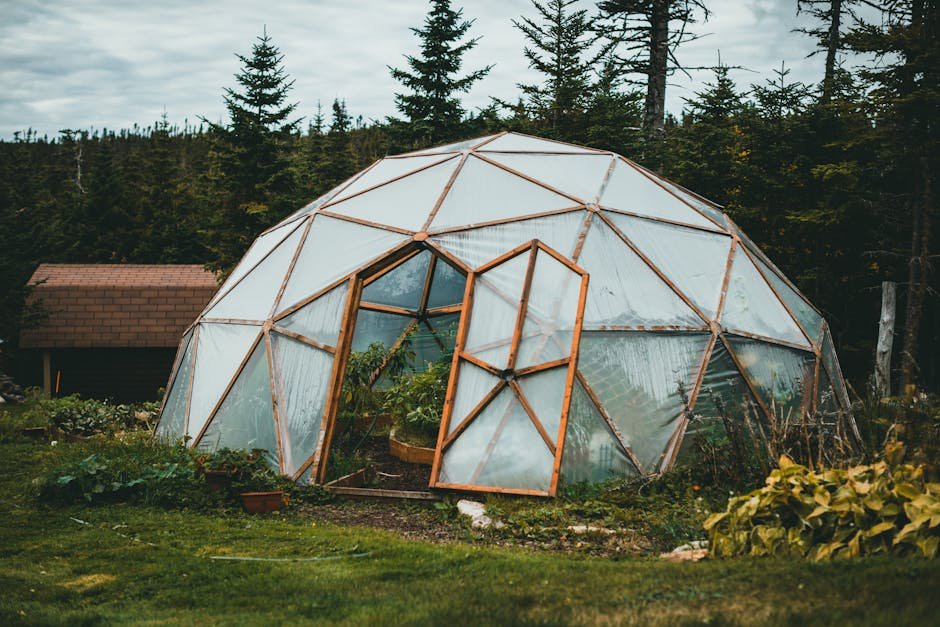
They basically “Earth-formed” a piece of our world. Making 83,000 tons of fresh soil from old junk. Millions of plants now live there. And huge, cool domes, inspired by nature, built super strong with not much material. These domes now hold all sorts of different plant and animal systems. It’s a learning place. Millions visit, pushing over a billion dollars into the local area from people coming to see it. One boss there often says, “Everything is interconnected.” When we support places like this, we’re not just taking a trip. We’re putting money into fixing nature. And showing that things can change.
Smart Choices for California Travel & Daily Life
Our daily choices? They hit hard. Harder than you think. From your morning java cup to your shiny new gadget, everything’s got an environmental tale. Manufacturers gotta step up. Or they ought to be.
Take electronics. Some brands now actually put out reports on their environmental toll. Explaining everything. From their carbon output to what stuff they used. You might find plastic from old fishing nets and bottles. Aluminum from scrap. Even glass from old bottles and jars. Even the colors they use in products? Can come from fruit peels.
Look for brands that use clean energy. And for stuff built to last! Repairs, software updates, all good things. Small, recycled packaging? Massive win. Your choice for green stuff creates demand. It pushes more companies to do the right thing. Not just what you buy. It’s asking how it’s made.
Cut the Trash for a Greener California
Here’s a crazy fact. In the U.S., about 30-40% of our food just gets thrown out. That’s a massive $150 billion, right into the dump. Bad for your wallet, obviously. But a huge headache for our planet. But small changes? Big difference.
Easiest step? Compost your food scraps. That banana peel isn’t trash. It’s future tomato dirt. And another key permaculture idea: no waste. Making sure one thing’s leftover is useful for another thing. Fixing broken items instead of tossing them right away? A total no-brainer. This isn’t just about stuff. It’s about not wasting human potential either. By watching what we use and what we toss, we turn potential junk into something valuable.
California’s Connected Ecosystems: Get It
The news? It’s not lying. Things are rough on Earth. We see glowing numbers on those temp charts, but behind them? Real, painful human stories. Like 43,000 folks dying from drought in Somalia last year. We often ignore nature’s soft hum. Until it starts screaming through harsh weather and changing places.
Our Californian weather, our water, our wild animals and plants are all deeply tied together. Stuff happening far away, like when they chop down the Amazon rainforest, hits globally. Changing rain, temperatures thousands of miles further. It’s a delicate dance. Mess up one part? You could unravel the whole thing. Understanding these connections is the first move. To save our special natural legacy.
Small Acts, Big Punch in California
That whole “small actions, big results” thing? Not just some fluffy saying. It’s how science works. Think about it: our billions of little choices, combined over 150 years. Pushed our planet right to the edge. Like pulling out one crooked Jenga block. Eventually, the whole tower falls. Repeated small mistakes? They can totally undo ecosystems that have been fine for millions of years.
The choice is ours. We can keep turning our beautiful blue planet red. Or. We can each decide to put our “stones” in the right spot. Every time you compost something, every time you pick a responsibly made product, every time you stick a tree in the ground. You’re making a deliberate move. These individual shifts, all together, that’s the only way we make our planet’s foundations strong again for the kids coming after us.
Quick Q&A
What is permaculture exactly?
Permaculture is a way of designing a lifestyle and farm systems. Think of it like building a sustainable home and food source. It copies how healthy, diverse natural spots work. So, mostly, it teaches us to watch, interact, and design with nature. Instead of fighting it.
How can I really cut down on my trash in California?
Start by being smart about buying. Buy less, truly. And buy better stuff. Then, start composting kitchen scraps and yard trimmings. Always fix things if you can. Before just tossing them. And check out your town’s recycling for plastic, glass, and old electronics.
What kind of effect do my everyday product choices actually have?
Your choices? They shake up how companies make things. Picking products made with recycled stuff, using clean energy, and built for repairs? You’re boosting a circular economy. This means less digging out new resources. Less gunk in the air. Fewer landfilled items. It genuinely presses global industries to do better.


