California’s Old Desert Art: Wild Mysteries, Cool Strokes
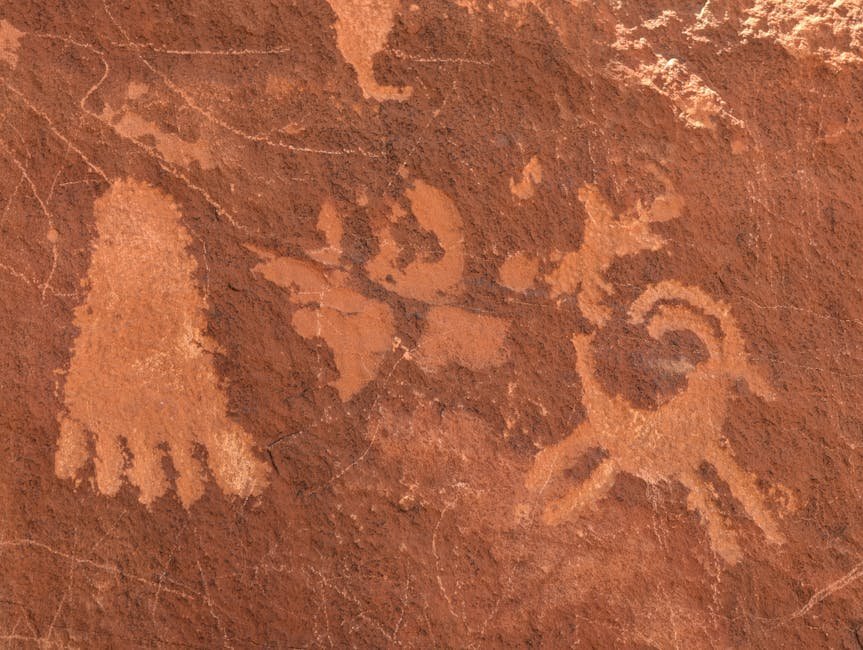
Ever wonder what kinda secrets the huge California desert art holds? Like, seriously, beyond all the tourist traps, what real old history is hidden—or carved—out there? This ain’t just empty land. No way. It’s a super deep canvas, made by ancient hands, stretching across California’s massive, sun-baked places. We’re talking petroglyphs and pictographs. Old markings. They tell stories lost to time, giving us a real look into cultures that rocked this place thousands of years ago. These aren’t just silly pictures; they’re mystery messages. Gotta decode ’em. And the vibe in those dry lands? Something else entirely. The dryness? It keeps secrets tucked away for ages.
Huge Artistry in the Desert
Imagine art on a crazy big scale. California’s deserts totally have amazing rock art. But we can peek at other big dry spots to get a sense of what’s possible, like the huge art found in the Nazca Desert. There, a “giant hummingbird” – a giant earth drawing – stretches 97.5 meters long. Its wingspan? Over 65 meters. This one figure just scratches the surface. Hundreds more cover a 50-square-kilometer area.
They didn’t paint these things. They etched ’em. Workers carefully scraped away about 15 centimeters of reddish-brown dirt. Revealing a lighter, contrasting layer underneath. Drawing with the earth itself. Using different colors and textures like a “pen.” This tough, big job shows us the organized work and deep cultural meaning ancient peoples put into their creations.
Who Made This Stuff, and Why?
Who made these massive desert artworks, and why? These questions truly get archaeologists buzzing worldwide. From our own desert badlands to Peru’s high plains. For the Nazca Lines, folks have puzzled over them for nearly 90 years. And another thing: their full meaning simply wasn’t clear until planes came along in the 20th century. Only then could anyone see them from above.
Early theories were wild. Super wild. The whole “Ancient Astronauts” theory, big in the 60s and 70s, guessed aliens were involved. Maybe the lines were landing strips for alien spacecraft. This idea often came from a bias. One that said ancient people, with their “primitive” tools, couldn’t possibly do something so grand. But that’s just not true.
A cool test proved it. Six people in Kentucky, armed with just sticks and ropes, marked out 165 key points of a huge vulture figure. Just nine hours. Plain and simple, ancient humans had the smarts and organizational skills to pull off such big jobs. The real mystery isn’t how they did it. It’s why make things you can only see from the sky? Were they telling stories meant for the heavens?
Deserts: Nature’s Preservation Box
It’s astounding this old stuff has lasted for thousands of years. Think about the Nazca Lines; they’ve stayed mostly safe for over two millennia. For comparison, something like Istanbul’s Hagia Sophia, built a thousand years after some lines were etched, has needed constant work. Blame humidity and water.
The secret ingredient? Extreme dryness. Deserts like Nazca, or bits of our own California badlands, act as natural storage places. Nazca, for example, gets a crazy average of only 20 minutes of rainfall per year. This isolated, incredibly dry climate is the perfect spot to keep things safe. Protecting these fragile old spots from wearing away and falling apart. And because of these specific, brutal conditions, such art hasn’t vanished long ago.
Tech is Changing How We Find Ancient Art
Even with perfect preservation, many subtle designs have been swallowed by time or erosion. But discoveries keep happening. Keeping the hunt for California desert art and global comparisons alive. Seriously. Just recently, a massive cat figure was accidentally spotted on a Nazca hillside. Barely saved from being wiped out by erosion.
The real game-changer? Technology. In 2019, Japanese folks showed off 143 new geoglyphs in Nazca! They didn’t even have to visit the site first. But they did analyze high-resolution aerial photographs. Something humans alone often miss. They used smart AI programs. Deep and machine learning. To look through all the pictures. The AI didn’t just spot a couple lines; it found a two-by-five-meter human figure. Plus hundreds of other fading shapes. Many showing cool birds, similar to the hummingbirds in the more famous etchings.
Old Peoples Were Way Smarter Than We Give ‘Em Credit For
The old idea of people being “primitive” is quickly crumbling. Modern archaeology? It’s taking a close look and proving otherwise. These ancient artists, carving into Peruvian earth or California rock, showed a deep knowledge of geometry, engineering, and their environment. Just designing and doing such massive works needed planning and precision. It wasn’t simple at all. They knew their materials, their landscapes, and how to tell stories that lasted. Stories with strong meaning.
So, What’s the Point of All This Sky Art?
Why create art only viewable from above? The debates go from astronomy – some tried to link the spider geoglyph to Orion, didn’t really stick – to more mystical ideas. Some archaeologists have tossed out theories, based on obscure local beliefs, that certain cultures might’ve used hot air balloons. To send their dead up to the sky. Intriguing, yeah, but these ideas often ain’t got solid proof. And they get flak on practical stuff, like how the wind blows.
For a lot of researchers, and us looking on, the best ideas about these giant desert artworks usually tie right back to what ancient communities needed most: water. Think about those AI-discovered figures of exotic birds, like hummingbirds. These aren’t desert creatures. They’re from tropical, rainy places. Perhaps these sky-facing symbols weren’t for humans or aliens. But for the gods. A desperate, silent plea, etched into the dirt. Crying out for life-giving water, found in distant, lush lands. A sad story of longing. Preserved for us to ponder.
Frequently Asked Questions
How long does this old desert art usually last?
Many big desert artworks, like the Nazca Lines, have stayed safe for over 2,000 years. Proof of their specific dry locations.
Were alien dudes the artists?
Nope. While “ancient astronaut” theories exist, archaeological proof and cool experiments show that early humans had the smart brains and knew how to organize stuff. They created these massive artworks using their own tools and methods.
What cool tech finds new old desert art now?
Modern archaeologists in deserts really use high-res aerial photos and smart AI programs. This includes deep and machine learning. To find old art that was hidden or going away. Stuff human eyes miss from the ground or even regular plane views.


