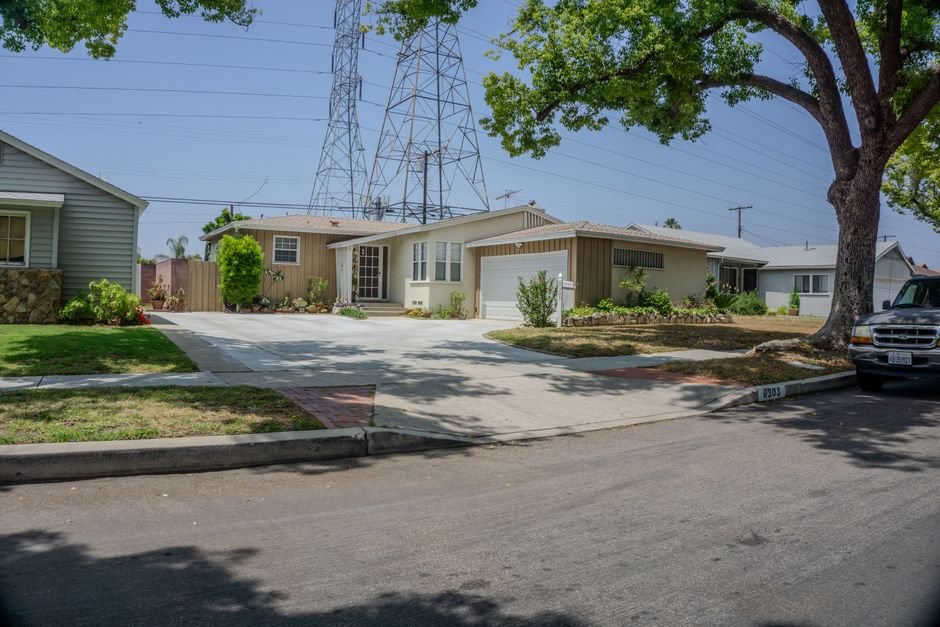
California’s Mid-Century Modern: Cool Designs, Road Trip Vibes
Seriously, why do some designs just stick? Like, why are folks still so obsessed with those sleek lines, that easygoing vibe of California Mid-Century Modern Architecture? Not just some pretty stuff. It’s a whole thing. A design philosophy, you know? This era? Didn’t just build houses. It started a revolution, making spaces feel totally bold. And super new.
So, what’s up with the design?
Everyone talks about these buildings. But what’s the real deal with the look here? We’re talking a specific visual statement, kinda like when a car designer wants a certain flow. And another thing: This style? Not about strict rules. No way. It was all about creating space that felt different. Challenging everything. At every turn.
And the legends behind it all
Just like bigshot designers made some of the coolest cars back then, Mid-Century Modern had its stars. Visionaries, you know? They got their ideas from the optimism right after the war. And they championed a new way to live. Because they weren’t just drawing dumb blueprints. No. They were making a whole new look. Giving California its signature, sunny, open-plan vibe. Yeah.
How these designs messed with tradition
So, picture this: A living room where inside and out just flow together. Sweet. That’s a classic MCM move. Messing with boundaries. Like tucking away a back wall, right? Makes the whole space feel totally different—bigger, way more connected to everything outside. These houses often played tricks on you. Making a room feel open, ready for a chill spot, even if it wasn’t huge. Wanted to break free from those boring, boxy layouts.
This era? Also super bold when it came to flipping expectations on their head. Seriously. Think about an architect who straight up opts for something cool-looking instead of strict, old matching stuff. When everyone was obsessed with perfect balance, these designers just did their own thing. They’d put a window somewhere weird. Or make a lopsided front. Not an accident, either. It was a totally on-purpose statement. And it started a whole new trend, making everyone rethink what “beautiful” even meant for buildings.
So, where can you actually see this stuff?
Okay, so where did all these cool new ideas end up? These groundbreaking design principles—all about sleek lines, open flow, taking on the norm—they totally turned into famous structures all over California. From private houses that just opened right up to the landscape, to public places going for super modern looks, the vibe was clear. It blew up the old ways. And changed how folks interacted with their built spaces. That spirit of trying new stuff, that very force that got people talking when something simple (like a license plate) was placed unconventionally, it just got big. Seriously. It actually reshaped California.
Why did all this even happen?
Because the mid-20th century wasn’t only about cutting-edge car designs, you know? It was a huge wave of optimism. Tech happened. Fresh starts everywhere. Everyone only looking forward. And the Mid-Century Modern movement? It just clicked with those times. It gave us buildings that felt advanced. Celebrated that California sunshine. And showed a real belief in a brighter tomorrow. Truly. It was about breaking up with the past. And building a brighter future. One innovative design at a time.
Quick Questions, Quick Answers
Q: What got the early folks started with California Mid-Century Modern design?
A: They mostly got ideas from the optimistic vibe of the 1950s after the war. Wanted new shapes. And a look that screamed “future!”
Q: How did MCM designers mess with normal building rules?
A: Okay, so they famously ditched strict balance. Like how other designers controversially put even basic tiny functional things in weird spots just to make it look cool, you know? Not traditional. Plus, they were great at making spaces feel different than they actually were. Like, making a bunch of rooms feel like one big, flowing thing.
Q: Big names in this famous style?
A: Yeah, a lot of folks jumped on this style. But the bold design spirit, championed by visionary figures of the era, such as the legendary Walter de Silva, who prioritized revolutionary lines and forms—that stuff really influenced the whole visual language. The stuff that defined California Mid-Century Modern architecture.


