California Road Trips: Your Guide to an Epic Adventure!
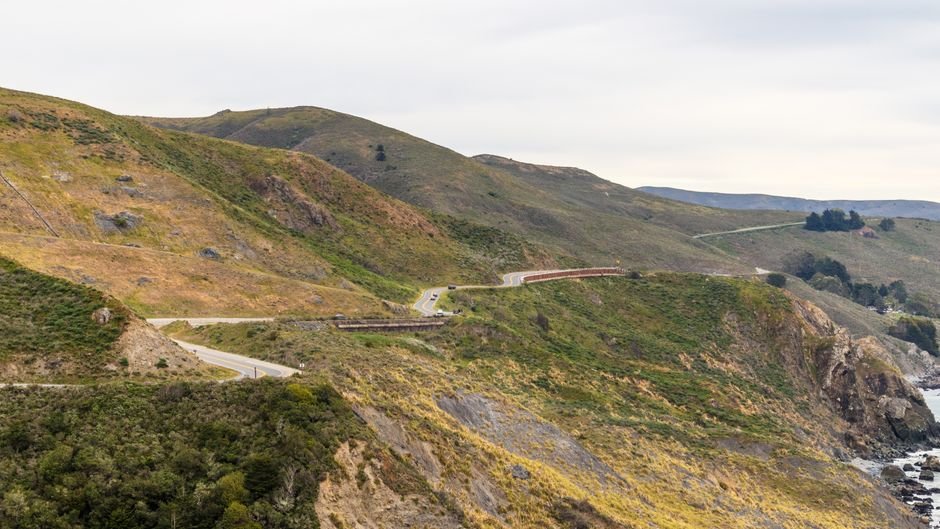
Thinking about hitting the open highway? Dreaming of endless coastlines, towering redwoods, and desert sunsets? Listen up. A California road trip? Not just a drive. An experience! But going in blind? Total nightmare fuel. Forget it. Nope, we want golden sunshine, cool routes, and maximum good vibes. But when’s the best time to roll out? And what’s the deal with those winding mountain passes?
When To Go: Beat the Crowds & Get Good Weather
Timing is everything. Summer here? Sunshine, yeah. But hellacious crowds. Packed beaches. Yosemite, Big Sur—swamped. If you want that classic California sun, late spring or early fall. Best time. Weather’s still gorgeous. Crowds thin out. Better deals on places to stay. Desert trip? Winter’s perfect. No crazy heat then. Snow play? Duh, winter. Just carry chains.
Loose Plans Are Best: See What Happens!
No strict plans! Seriously. California just happens. Gotta be spontaneous. Sure, jot down your must-sees: maybe a quick stop at the Golden Gate, a cruise down Highway 1, or some Napa wine. But leave a ton of space. See a cool diner? Pull over. Spot a tempting hiking trail? Dive in. Best stuff’s always unplanned. Think less “checklist,” more “what sounds fun right now?” Chasing whatever looks good. The best trips flow, they don’t sprint.
Car Check: Don’t Break Down, Seriously
That car? Your life. On the road. Prep hard. Get an oil change. Tires. Check pressure and tread. Top off all fluids – coolant, brake fluid, windshield wiper stuff. Throw in a spare tire, a jack, and some basic tools. Jump starter kit? First-aid? Roadside help? Non-negotiable, seriously. Because when you hit the boonies, cell service quits. Better safe than sorry on those long stretches.
Money Talk: Don’t Go Broke Out There
Hate an empty wallet halfway through? Yeah, everyone does. California? Not cheap. Gas prices? Killer. Plan your fuel stops and budget for higher prices in rural areas. Figure out where to stay: camp, cheap motels, maybe a fancy night. And eating out constantly? Expensive. Pack snacks, drinks. Find free stuff. Hiking, beaches. Share costs with friends. Big help.
What To Pack: Layers, Sun, Everything
California weather? Nuts. Chilly fog near the coast to blazing desert heat. All in one day. Layers are king. Even in summer, light jacket. You’ll need it. Sunscreen, hat, shades. Duh. Hiking? Get tough shoes. Swimsuits, yeah. But toss in an umbrella. You never know. Pack for everything. Less stress.
Don’t Get Lost: Maps & Power
Your phone? Not always reliable. Service drops. Mountains, deserts, even coastline spots. Get those offline maps downloaded. Whole route. Both Google and Apple Maps do it. And a paper map? Old school, but a solid backup. Charge your phone. Bring a power bank. Getting lost is an adventure; running out of battery isn’t.
Stay Safe Out There: Be Smart
Safety. Seriously. Tired? Don’t drive. Pull over, grab coffee, or swap drivers. Watch your back. Especially in strange towns. Heading to the middle of nowhere? Tell someone where you’re going. And when you expect to be back. Solo? Crucial. Share updates when you have cell service. California’s vastness is beautiful, but it demands respect.
So, there ya go. Get out, explore. Let California do its thing. The road’s calling. Go find that magic!
Random Questions We Get (About F1, for some reason?)
Q: Do F1 cars have good aerodynamics?
A: No. Not like your typical electric car. Road cars want smooth airflow, low drag (around 0.20). F1 cars? They want downforce. Drag numbers are 0.70 to 1.10. Basically, a brick pushing against the wind.
Q: Why do F1 cars have such high air resistance?
A: Because F1 cars, with their big wings and exposed fat wheels, are built to use air. Like an invisible weight. Squishing the car onto the asphalt. Those wings make huge downward press for corner stability at speed. So, big air resistance. Trade-off. And those thick open-wheel tires? Almost 40% of all the air resistance. Crazy.
Q: How do F1 cars manage air resistance on straightaways?
A: On the straightaways, F1 cars can cut this huge air resistance. Temporarily. They use something called DRS, the Drag Reduction System. Rear wing opens up. Less drag. More straight-line speed. Simple.


