Iwo Jima: The Brutal Truth for California Folks
Ever wonder what really went down in those famous WWII photos? That legendary shot of Marines raising the flag on Mount Suribachi? It’s not just a picture. It’s a raw glimpse into the Iwo Jima History California vets have carried with them, burned into their very souls. Understanding this battle? It’s key. A hella important piece of global history, with a powerful local vibe for anyone into military stories.
The Battle of Iwo Jima: A Nasty, Costly Mess
Japan pushed hard after Pearl Harbor, hitting its peak by ’42. But by ’44? The Japanese Empire was on the ropes. American forces, after grabbing the Mariana Islands – super important for B-29 bombers – still needed more. They needed closer launch spots to mainland Japan. Think stepping stones.
Iwo Jima, just a little volcanic island, became the next, absolutely brutal objective. The idea? An emergency runway for damaged B-29s heading home from Tokyo bombing runs, maybe a base for fighter escorts. The US brass even thought it was the “easier” pick compared to Okinawa. Spoiler alert: It wasn’t easy.
General Kuribayashi’s Crazy Underground Defenses
General Tadamichi Kuribayashi, Japan’s island boss, knew they were losing the war. He’d even spent time in the US, so he totally got America’s industrial might. His goal wasn’t to win, no way. He simply wanted to hit the Allies so hard, inflict so many casualties, that they’d think twice about invading Japan itself. Maybe force a peace deal.
So, he ditched the old-school Japanese beach defenses. Instead? A deep, multi-layered gauntlet of fortifications. For nine months before the invasion, Japanese soldiers dug. Miles and miles of tunnels, caves, and bunkers, some 25 meters deep, turned the island into a literal underground fort. Volcanic rock, weirdly, made it quicker to dig. These weren’t basic hideouts; these were command posts, artillery spots, and living quarters, all safe from bombs and air attacks.
They knew their dirt.
The Famous ‘Raising the Flag on Iwo Jima’ Photo
On February 19, 1945, American Marines landed. Ready for serious hell. Surprisingly, those first waves met pure quiet. For almost an hour, thousands of troops just poured onto the beach, nobody quite sure if the massive bombardment had actually worked. It was a terrifying silence.
Around 10 AM, General Kuribayashi gave the signal. Machine guns, artillery, and mortar fire exploded all at once from literally thousands of hidden positions. The beaches turned into a meat grinder. Marines couldn’t budge. Couldn’t even lift their heads. Pure, absolute hell.
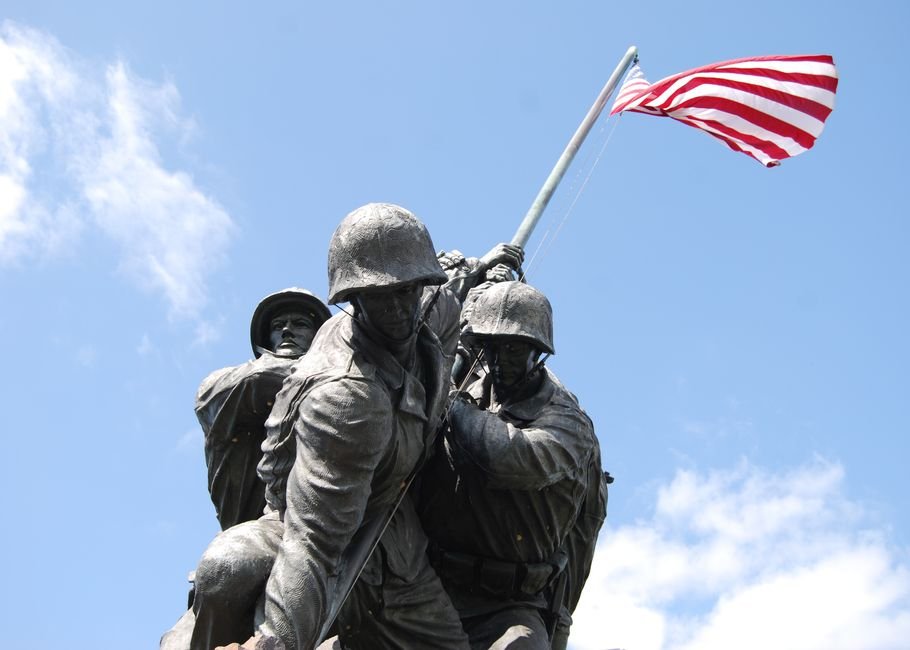
And another thing: Four grueling days later, after brutal fighting, Marines finally grabbed Mount Suribachi, the volcano at the island’s south end. It was there, on top, a small American flag went up. Later that day, a bigger flag went up instead, captured forever by Joe Rosenthal’s Pulitzer-winning photo. This image? It became a powerful symbol of American grit and a massive morale booster back home. But the real gritty truth? Three of those six flag-raisers died on Iwo Jima.
Japanese Stubbornness and Nearly Everyone Gone
The fight moved north, into that crazy tunnel system. Japanese forces fought with absolute, chilling determination. They’d figured out American tactics, ducking into their tunnels during bombardments, only to pop out guns blazing as Marines advanced. They had next to nothing – bad food, terrible conditions – yet they fought with unwavering loyalty.
Their resistance slowly broke, but not easily. Every cave, every hill, every bunker was a fight to the very last man. Because the American command was so frustrated by the endless, bloody grind, and all the casualties, they just started sealing many northern caves with four tons of explosives. Then, on March 25, a final, desperate charge by the last 300 exhausted Japanese soldiers by the second airfield officially ended the whole bloody thing.
Only 216 Japanese soldiers were actually taken prisoner. The rest, over 20,000 guys, died fighting.
Brutal Tunnel Busting, Flamethrowers, and Hand-to-Hand Brawls
Those crazy underground defenses meant they needed some absolutely brutal, new ways to fight. Regular guns often just didn’t work against those deep spots. The fix? Flamethrowers. Sherman tanks got flamethrower attachments. The M2 flamethrower became the main weapon for clearing out caves and bunkers.
This wasn’t about fancy maneuvers. It was about endless, terrifying close-quarters fighting, often pure hand-to-hand in dark, smoky tunnels. The Japanese constantly used their tunnels to reinforce places that seemed cleared, catching Marines from behind, causing heavy losses. “Whoever is running this show,” said US Marine General Holland Smith, talking about Kuribayashi, “is one intelligent son of a bitch.”
Remembering WWII Vets and Military History Here in California
The Iwo Jima battle came at a truly horrendous price: nearly 7,000 American dead, over 26,000 injured – that’s like 30% of the landing force! It’s the only Marine battle ever where American casualties were actually higher than Japanese casualties. Wild.
This kind of sacrifice isn’t just dusty history. It’s a legacy that lives. And for us here in California, with our deep military roots and tons of veteran families, understanding battles like Iwo Jima is super important. Our museums across the state – from San Diego to Sacramento – keep these stories alive. Great spots to think about the courage and toughness of these World War II heroes. They hit home the point: freedom isn’t free.
Exploring History: Games like ‘Call of War’
So, if you dig history and like getting hands-on, modern strategy games like ‘Call of War’ give you a way to jump into these WWII situations. You get to run countries, plan tactics, and see how different choices might have turned out. It’s a cool way to get a fresh look at these huge conflicts, even though real history is always way more intense.
The shadow of Iwo Jima, of those 36 days of total savagery, it’s still there. And it’s a powerful testament to human endurance, both in holding on and in fighting back. Thinking about it, especially through the eyes of our California heroes, makes sure nobody forgets their sacrifice.
Quick Questions about Iwo Jima
Why was Iwo Jima important?
It gave damaged B-29 bombers a place to land on the way back from Japan. Also a forward base for fighter planes to protect those bombers.
What was unique about the Japanese defenses on Iwo Jima?
General Kuribayashi set up this crazy, deep network of tunnels, caves, and bunkers instead of just fighting on the beach. Japanese forces could take huge bombardments, then pop out to strike back hard.
What famous picture came from the Iwo Jima fight?
The real famous one is the “Raising the Flag on Iwo Jima.” Joe Rosenthal took it. Shows six Marines putting up the American flag on Mount Suribachi, just four days into the battle.


